News

Designing Cliffhangers with Payoff, Not Padding
There’s a special kind of silence that happens around a tabletop when the Game Master ends a session at exactly the right moment....then come the groans of anticipation for the next session.

How to Create Cities with Strong District Identities
Most of us can come up with “big trade city by the river” or “ancient capital full of politics” in about twelve seconds. That part’s not the problem. The problem is getting the place to feel like somewhere your players can actually picture, navigate, and care about once they’re in it.

Managing Terror & Horror at the Table
Managing terror and horror at the table takes more than just throwing in a creepy child, some bloodstains, and a church bell that rings when it shouldn’t. Good horror play depends on pacing, trust, tone, and knowing the difference between what scares players because it’s unsettling and what simply makes them check out.

“Make Mine a Meatgrinder!”
Good meatgrinder play is not about bullying players. It’s about creating a game where danger feels real, caution matters, cleverness matters more, and survival itself becomes a kind of victory condition.

What to Do When a Character Dies (and the Game Lives)
Character death is not just a mechanical event. It’s a table event. It changes the mood, the momentum, and sometimes the shape of the campaign. Even when everybody knew death was on the table, actually losing a character can still feel strange. A little unreal. Like the party has misplaced a limb.

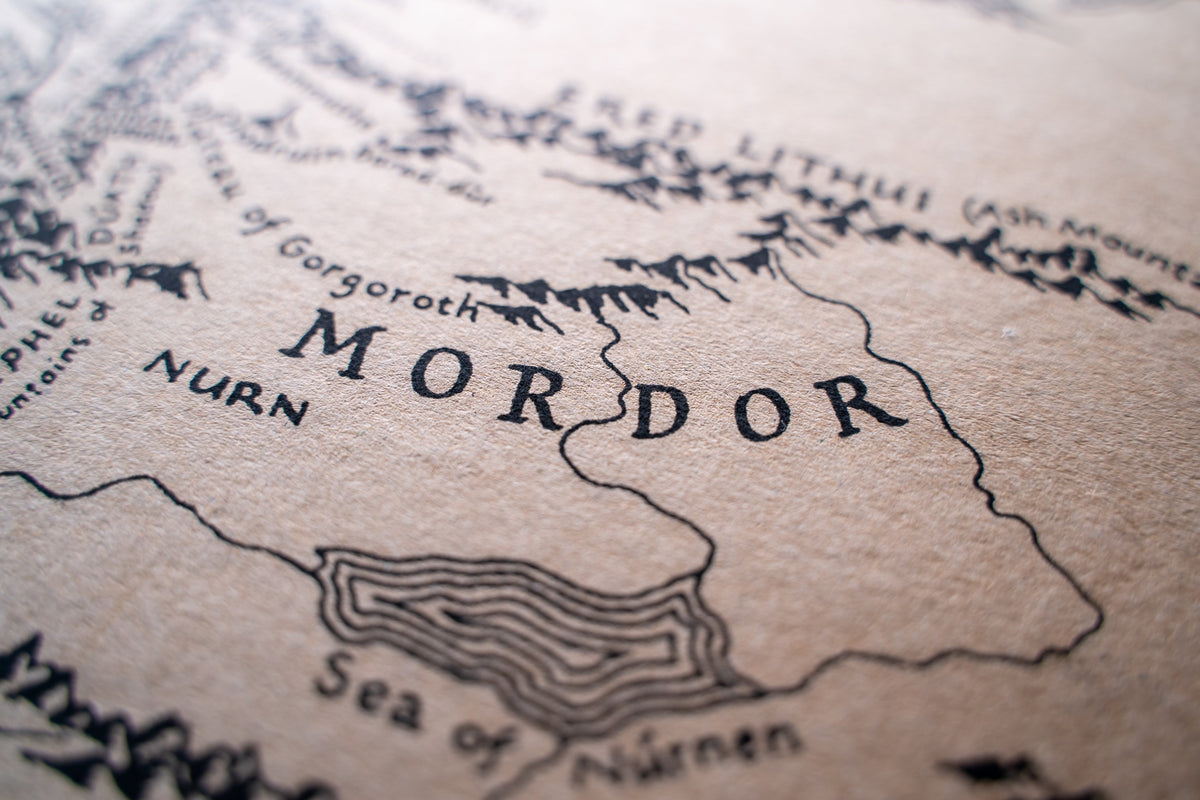
The Secret to Worldbuilding with Help from J.R.R. Tolkien
Imagination gets stronger when it has something solid to push against. The best fantasy often comes from taking real feelings, real places, real fears, real friendships, real losses, and real bits of lived experience, then letting them grow into a strange new entity. J.R.R. Tolkien is one of the clearest examples of this.

Navigating Rules Lawyers, Spotlight Hogs, & Ghosters
Sooner or later, every tabletop campaign rolls initiative against the people at the table instead of the monsters on the map.

Coaching New Players Without Teaching from a Pulpit
A lot of experienced players genuinely want to help new people have a good time. That instinct is great. But sometimes “helping” turns into a long, top-down sermon from the Church of Correct Play.

Villains With Motive, Method & Signature
A good villain does more than give the party somebody to hit. Sure, sometimes that’s enough for an evening. Everybody needs the occasional cackling cult leader, smug necromancer, or heavily...

The Three V’s of NPCs: Voice, Verb & Vulnerability
Some NPCs walk onstage and instantly feel real. You introduce an NPC you thought was going to be a throwaway innkeeper, and somehow the party becomes obsessed with him. Two...

Handling Ambushes, Chases & Heists
Every tabletop roleplaying game has its bread-and-butter scenes: the tavern rumor, the dungeon corridor, the tense conversation with someone who’s absolutely lying through their teeth. But sooner or later, the...

Social Encounters With Mechanical Bite
There’s nothing wrong with a clean, simple social check. Sometimes that’s exactly what the moment needs. But if every major conversation boils down to one die roll and a shrug, social encounters can start feeling weirdly weightless compared to combat, chases, infiltration, or even puzzle solving.

How Pro Wrestling Can Teach You to Create Better NPCs
As a GM, you’re often operating under time constraints. With barely a moment to spare, you have to introduce an NPC and hope your players think they’re worth reacting to....

Spotlight Management 101
Spotlight management is one of those invisible skills that separates a session that feels amazing from one that feels weirdly lopsided. When it’s going well, the whole table feels plugged in. Everyone gets moments to shine. The loud players are having fun, the quiet players aren’t getting steamrolled, and nobody leaves thinking, “I guess my character was just a piece of furniture tonight.”