
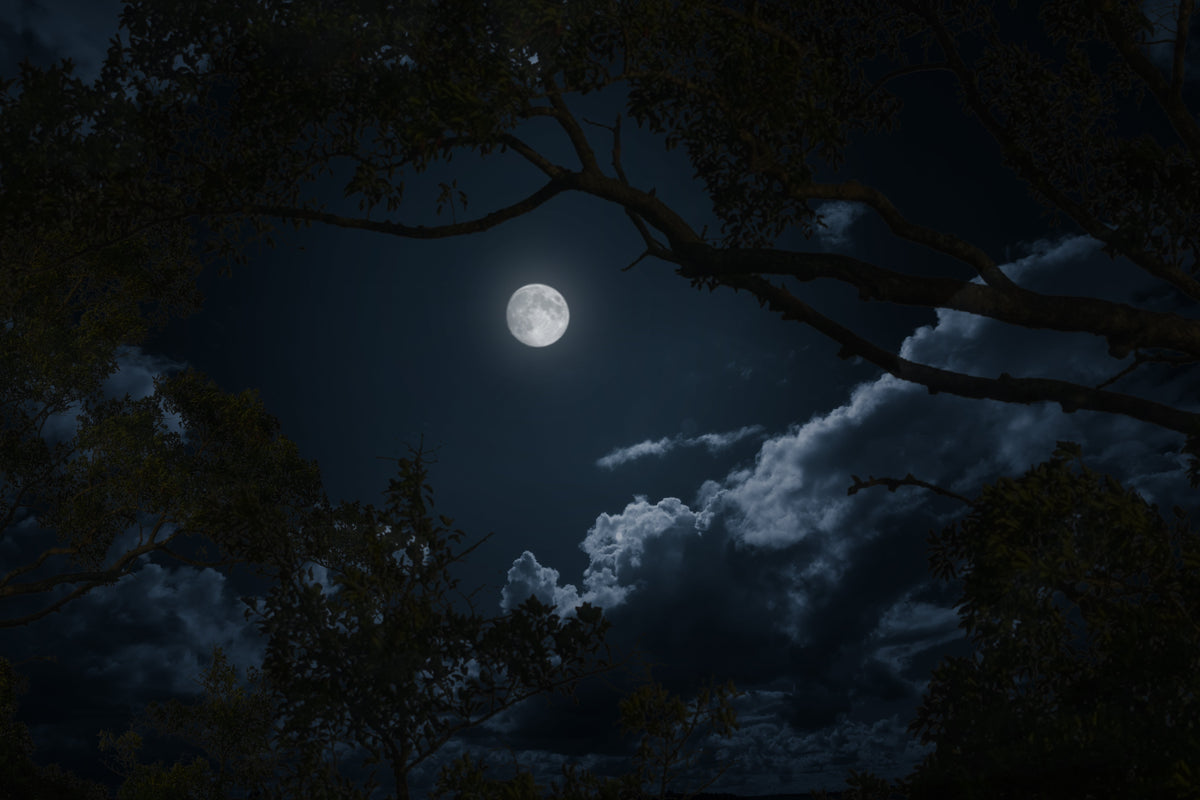
Horror in tabletop roleplaying is tricky in the best possible way.
Everybody says they want a scary session right up until the GM leans forward, lowers their voice, and describes something breathing in the walls.
Then suddenly it gets real.
That’s part of what makes horror games so fun. They let tabletop do something special. A movie can show you a monster. A novel can crawl into your head. But a tabletop game can make you complicit. You chose to open the door. You decided to split the party. You said, with your own human mouth, “I think we should investigate the cellar.”
That’s where the magic lives.
But managing terror and horror at the table takes more than just throwing in a creepy child, some bloodstains, and a church bell that rings when it shouldn’t. Good horror play depends on pacing, trust, tone, and knowing the difference between what scares players because it’s unsettling and what simply makes them check out.
The first thing to understand is that terror and horror are not the same thing. They work together, but they hit differently.
Terror is the dreadful anticipation. It’s the breath before the scream. It’s the sense that something is wrong, something is coming, and the worst part is that you don’t fully know what it is yet. Horror is the reveal. Horror is the body on the floor, the transformation, the impossible sight, the thing that confirms your fear was justified and maybe not nearly big enough.
A great horror session usually needs both.
Too much terror with nothing ever happening will eventually lead to the players feeling like they’re trapped in an arthouse trailer for a campaign that never begins. Too much horror without terror, and you get gore without dread. Things are gross, maybe even shocking, but not especially frightening because the emotional runway was never there.
You want the slow tightening of the wire, then the snap.
Terror Is the Promise
Terror is often quieter than people expect. It’s not always loud music and screaming NPCs. More often, it’s uncertainty with teeth.
A door standing open that should be closed.
A village where everyone is just a little too relieved to see outsiders.
A diary entry that stops mid-sentence.
A dog that refuses to go into the chapel.
A player asking, “Wait, there are six shadows on the wall, and there’s only five of us!”
That’s terror.
Terror works because it invites the table to imagine the worst. And the human imagination is a very committed employee when it comes to making things awful. Once players start filling in the blanks themselves, you’re in good territory.
That’s why restraint matters so much. You don’t need to explain everything the second it appears. In fact, you usually shouldn’t. Let players notice patterns. Let them make wrong guesses. Let them become suspicious of the wrong thing before realizing the real danger is standing behind it, smiling politely.
One of the best tools for terror is implication. The scene gets stronger when the players can tell that something is off, but can’t yet map the edges of it. That uncertainty keeps them leaning forward.
Horror Is the Payoff
Horror is what happens when the curtain lifts and the ugly truth steps into the room.
Now the body’s moving.
Now the missing townsfolk are singing in the walls.
Now the saint’s statue has a heartbeat.
Now the kindly innkeeper is unfolding in ways the human spine absolutely does not support.
That’s horror.
The big mistake some GMs make is treating horror like it’s just a list of disgusting visuals. And sure, body horror can absolutely work. Gore can land. Transformation can land hard. But horror is most effective when it means something in the moment. It shouldn’t just be ugly. It should be devastating, unnatural, or deeply wrong in a way that matters to the characters.
If the party’s been worried about the children vanishing from the village, horror is finding out where they went. If the paladin’s been clinging to faith as a source of order, horror is seeing something sacred twisted into a mockery of itself. If the wizard’s obsession has been pushing the group deeper into danger, horror is finally getting the answer they wanted and realizing it should have stayed buried.
Horror lands best when it cashes the checks terror has been writing.
Use Both & Use the Gap Between Them
Take, for example, the 2025 film Sinners. This movie strikes a perfect balance between terror and horror. If you haven't seen the movie yet, I highly recommend you stop reading and watch it.
Terror is when the Choctaw vampire hunters warn a couple who, unbeknownst to them, are housing a vampire, asking, “Is he in there with you, ma’am? He’s not what he seems. God forbid you let him into your home. And if so, we need to act now.” As the sun begins to set, the vampire hunters flee the area, knowing what’s about to come when night falls.
Horror is what unfolds when the aforementioned vampire begins turning humans into vampires and then descends upon a crowd at a packed juke joint.
That’s the split right there.
The warning is terror. The countdown is terror. The sense that the danger is already in the house is terror. Then the violence, the transformation, the blood-soaked reality of what was feared…that’s horror.
That structure is fantastic for tabletop gaming because it gives you a practical lesson. Don’t rush to the bloodbath. Make the table live in the warning first. Let them hear the urgency in the messenger’s voice. Let them realize too late what was meant. Let the sunset matter.
Then, when horror arrives, it feels earned.
Tabletop Horror Needs Trust
Now for the less-glamorous but essential part.
If you want to run horror well, your table has to trust you.
That doesn’t mean they trust you to be nice. Horror isn’t always nice. It means they trust you to be thoughtful, to respect boundaries, and to scare them in a way that is fun rather than miserable.
This matters because horror can brush up against real fears very quickly. Confinement, loss of control, parasites, children in danger, betrayal, self-harm themes, religion, disease, torture, drowning, being buried alive. You can stumble into genuinely rough territory fast if you’re not paying attention.
So before you break out your favorite haunted monastery or flesh-eating fog bank, talk to your players. Use lines and veils, safety tools, check-ins, whatever your table responds to. You don’t have to turn this into a corporate seminar. Just make sure people know they can signal discomfort and that you will respect it.
A table that feels safe out of character is much more willing to feel unsafe in character.
That’s the paradox that makes horror gaming work.
Pacing Is Everything
Horror dies fast when the pacing gets flat.
If every room is cursed, every NPC is muttering ominously, and every hour brings a new atrocity, the whole thing starts to blur. Players adapt. Humans are great at adapting. In about forty minutes, your terrifying campaign can turn into a weird workplace where everyone is casually discussing bone piles over snacks.
To keep horror sharp, vary the rhythm.
Give players calm moments. Let them joke. Let them feel briefly competent. Let them eat stew with a suspiciously normal villager. Let them think they understand the shape of the threat. Then bend it.
Relief is not the enemy of horror. Relief is what gives horror contrast.
One of the best session rhythms is suspicion, escalation, release, false safety, then impact. Let the table breathe, then steal the breath back.
Make the Horror Personal
Generic horror can be fun for a while. Creepy manor. Bad vibes. Wet footprints. A whisper from nowhere. Sure, absolutely. But the really memorable stuff gets personal.
Horror sticks when it hooks into what the characters care about.
The ranger hears their dead brother calling from the tree line.
The cleric’s holy symbol starts answering prayers it shouldn’t be able to hear.
The rogue opens a drawer and finds a letter in their own handwriting.
The barbarian, who fears nothing, finds tracks from something that walked beside the party all day without anyone noticing.
Now you’re not just presenting a spooky environment. You are putting pressure on the identities, memories, and loyalties that make the party who they are.
That’s where players stop just observing horror and start feeling entangled in it.
Keep the Players Active
One danger in horror gaming is slipping into passivity. The atmosphere gets so heavy, and the mystery gets so tight that players start acting like they’re in a movie, waiting for the next terrible thing to happen.
That’s not where tabletop shines.
Players need choices. Bad choices, hard choices, panicked choices, morally ugly choices, absolutely. But choices.
Do they burn the chapel and lose the only shelter in town?
Do they trust the one survivor who might already be compromised?
Do they split up to stop the ritual faster?
Do they kill the bitten NPC before the change completes?
Agency is not the opposite of fear. It’s what makes fear meaningful. If the players can affect the situation, then every terrible outcome feels sharper because they were involved in trying to stop it.
Don’t Be Afraid of Humor
This surprises people, but horror tables often laugh a lot.
Not because the horror failed. Because tension needs somewhere to go.
A well-timed joke can actually help a scary session by letting the table release pressure without deflating the tone. Players will crack wise. They will name the horrifying doll something stupid. They will absolutely say, “I hate this room so much” while laughing.
That’s good.
You don’t need to police every laugh like a ghostly librarian. Let the table breathe. In fact, that breathing often makes the next hit land harder. People relax for one second, and then the cellar door opens by itself.
Perfect.
Know When to Show Less
One final thing. Not everything scary needs a full spotlight.
Sometimes the shape behind the curtain is worse than the reveal. Sometimes the scratching inside the coffin is enough. Sometimes the best choice is to describe what the characters perceive without fully solving the image.
“The body bends in a way that makes your brain refuse it for a second.”
“The thing in the water has too many joints, and none of them seem committed to staying in the same place.”
“You can tell it is smiling before you can tell where its face actually is.”
That kind of language gives players just enough to panic usefully.
The Goal Is Dread, Not Misery
At the end of the day, horror at the table should still be fun. Tense fun, nervous fun, occasionally horrible fun, but fun. The goal is not to grind everybody down into a miserable paste of despair and uneaten pretzels. The goal is to create a shared emotional ride where fear, anticipation, and payoff all work together.
That means using terror to set the hook.
Using horror to make it hurt.
Using trust to make it playable.
Using pacing to keep it sharp.
And using player agency to make the whole thing matter.
If you can do that, you don’t need a hundred pages of spooky lore or a soundtrack full of whispered Latin. Sometimes all you need is a warning at sundown, a room full of people who know there’s something dangerous outside, and the terrible understanding that there’s a long night ahead of you.
That’s where the table starts leaning in.
And that is where horror gets good.
Your Turn!
How do you manage horror and terror at your table? Let us know in the comments!
More Than a TTRPG Adventure Book
A TTRPG adventure isn't only something you read before the session. It's something you use while five people are asking questions, someone is checking a spell description, and another player has just decided to investigate a completely unexpected alleyway.
Gooey Cube creates materials with the table in mind.
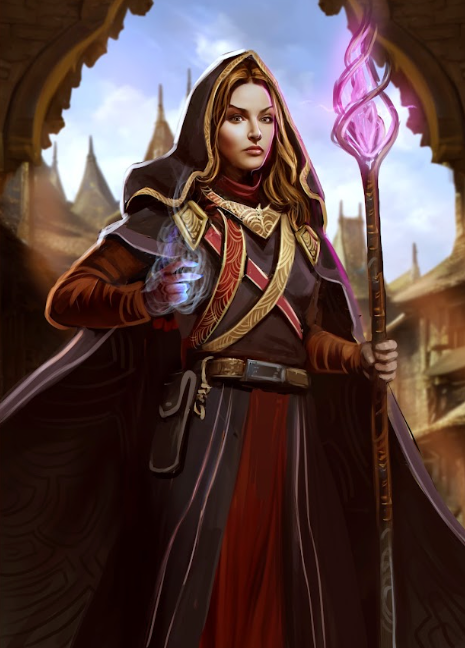
Depending on the adventure or campaign, GMs may have access to maps, NPC portraits, location artwork, handouts, encounters, character information, digital resources, and other tools that help communicate what's happening in the world.
These resources can help players picture the characters they're meeting and the places they're exploring without requiring the GM to prepare every visual aid independently.


0 comments