
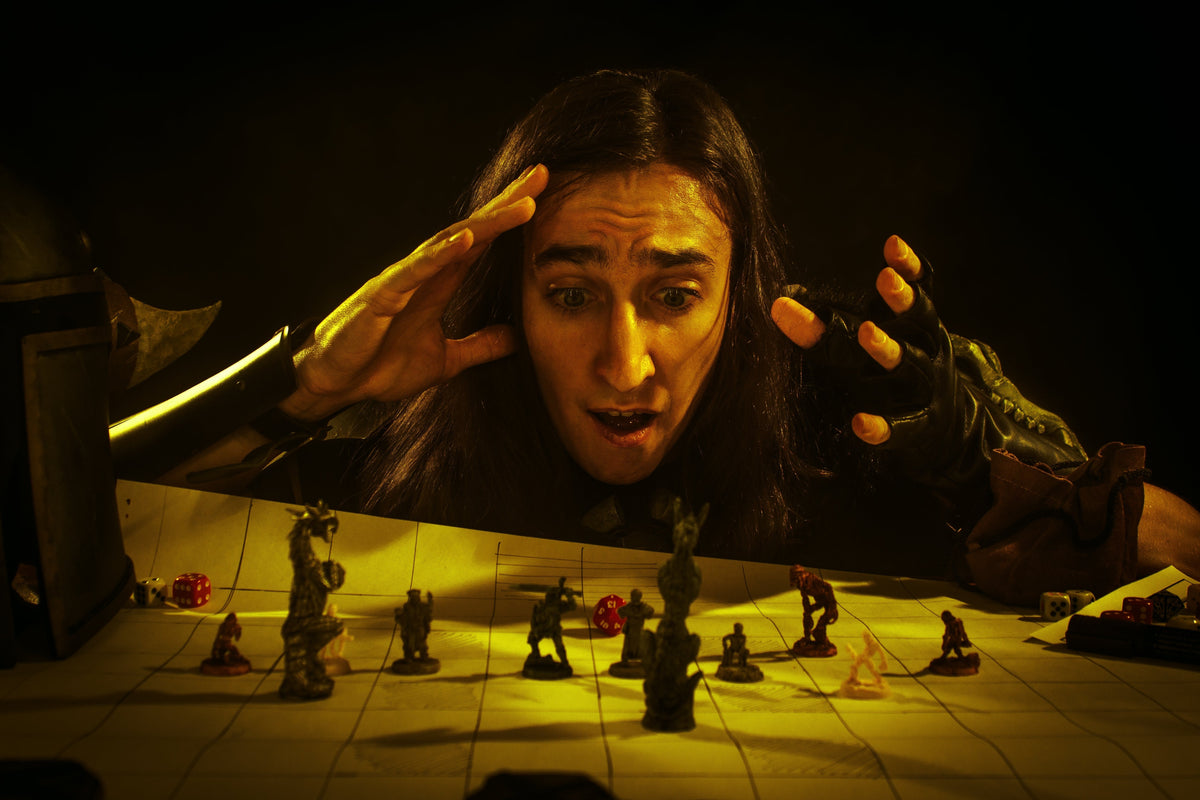
A good villain does more than give the party somebody to hit.
Sure, sometimes that’s enough for an evening. Everybody needs the occasional cackling cult leader, smug necromancer, or heavily armed maniac on top of a tower. There is a proud tradition of tabletop bad guys whose main contribution to the campaign is making initiative happen. But the villains that players really remember, the ones who get talked about years later in the group chat, tend to have a little more going on.
They want something specific. They pursue it in a way that tells you who they are. And they leave fingerprints all over the story.
That’s where this trio comes in: motive, method, and signature.
If you can give your villain a strong reason for what they’re doing, a distinct way of doing it, and a memorable pattern the players can recognize, you’re already most of the way to an antagonist people will love to hate. Or hate to love. Or deeply respect while preparing a very complicated murder plan.
The nice thing is you don’t need a ten-page manifesto and a family tree written in fake Latin. You need a few sharp choices that make the villain feel like a person, a threat, and a presence.
Motive: What Do They Actually Want?
Let’s start with motive, because this is the part that keeps a villain from feeling like a random encounter with good wardrobe choices.
What does this person want badly enough to hurt people for it?
That question does a lot of work. It gets you past “they’re evil” and into the much more fun territory of “they believe this is worth the cost.” Maybe they want power. Fine. Plenty of villains want power. But why? To control chaos? To never be humiliated again? To drag the world into the shape they think it should’ve had all along? “Power” is only interesting once you know what it’s for.
The same goes for revenge, immortality, forbidden knowledge, political control, divine favor, and social order.
A solid motive doesn’t have to be sympathetic, but it should make sense from inside the villain’s own head. The lich who’s trying to stop death because they watched a kingdom die of plague is already more interesting than “evil wizard, but crustier.” The crime boss who truly believes the city needs one hand on the wheel, even if that hand is covered in rings and extortion money, has more texture than someone who just enjoys growling in candlelight.
And yes, sympathetic motives can be great. But be careful with the common trap of thinking “understandable” means “morally correct.” A villain can have a motive that makes emotional sense and still be completely monstrous in what they’re willing to do about it. In fact, that’s often the sweet spot.
That’s where the unease lives.
A villain gets much more compelling when the players can say, “Okay, I get why they want that,” right before saying, “Absolutely not, though.”
Motive Creates Pressure
Motive also helps your campaign because it tells you what the villain does when the party isn’t looking.
This matters more than people sometimes realize. A villain with a real motive has momentum. They don’t just wait in a fortress until the heroes show up and trigger the boss music. They’re making moves. They’re gathering allies, removing obstacles, taking risks, overreaching, adapting, and occasionally making their own lives worse in ways that are very on brand.
That’s what makes them feel alive.
If the villain wants legitimacy, they’ll care about appearances, public opinion, and scapegoats. If they want revenge, they may prioritize emotional cruelty over practical efficiency. If they want to unlock divine secrets, they may burn resources on ancient sites, rare texts, and doomed expeditions. Their motive becomes the engine behind the campaign’s problems.
And that’s useful for you as a GM because it helps answer one of the most important villain questions: what happens next?
A villain with a motive is easier to improvise because their decisions come from somewhere.
Method: How Do They Go About It?
This is where villains get personality.
Lots of antagonists want the same basic things. What separates them is method. Three villains can want to seize the throne and feel completely different at the table depending on how they pursue that goal.
One uses blackmail, marriage alliances, and forged decrees. Another uses theatrical public executions and mercenaries in matching red cloaks. A third backs peasant uprisings, spreads food through desperate districts, and makes the crown look weak by solving problems faster than it can.
Now we’re cooking!
Method tells the players what kind of problem they’re dealing with. It shapes the texture of every scene around the villain. Are they subtle or direct? Patient or reckless? Hands-on or insulated by layers of followers? Do they corrupt people, seduce them, frighten them, inspire them, infect them, buy them, charm them, or simply kick the door off its hinges and dare the world to object?
Method is where your villain stops being an abstract idea and starts becoming a pattern of play.
This part is huge for tabletop RPGs because players learn through contact. They don’t just read your villain’s stat block. They encounter the aftermath. They see the burned village where every clock has been smashed. They find the letters written in five different hands but dictated by one mind. They question the bandits who were paid in medicine instead of coin. They start to realize, “Oh. This is how this bastard operates.”
That recognition is delicious.
It gives the campaign a feeling of connectedness. It tells the players that the bad stuff happening in different places is not random. It belongs to someone.
Method also helps you avoid lather-rinse-repeat villains. If every antagonist uses the same tools, every conflict starts to blur together. You want contrast. The smiling manipulator and the apocalyptic warlord shouldn’t create the same kind of scenes. The body-stealing archmage and the idealistic rebel terrorist shouldn’t solve problems the same way. The hag who ruins lives through bargains should feel different from the inquisitor who ruins them through procedure.
Different methods create different flavors of dread.
Signature: What Makes Them Unique?
Now for the really fun bit…
A signature is the thing that makes players instantly recognize the villain’s presence. It’s the specific mark, motif, habit, aesthetic, or recurring move that says, before anyone even says their name, “Oh no, this jerk again.”
This can be big or small.
Maybe the villain leaves coins on the eyelids of every victim. Maybe their agents wear perfume that smells faintly like smoke and roses. Maybe every public message from them includes a line from the same sacred text. Maybe they use trained ravens, glass masks, violet fire, mechanical spiders, children’s songs, impossible geometry, courtroom etiquette, or poisoned gifts wrapped beautifully enough to make the rogue hesitate.
Signature is not the same thing as motive or method, though it often grows naturally out of them. It’s more like the villain’s storytelling silhouette. The shape of their presence in the campaign.
And let me tell you, players adore this stuff.
Not because it’s subtle. Usually it is not. But because it’s satisfying. It gives them a pattern to notice, dread, mock, and eventually weaponize. Once the group starts saying, “Wait, there’s ash on the windowsill,” or “Why was blue wax used for that seal?” you’ve done it. The villain has entered the table’s shared language.
That’s gold.
A signature also helps the villain feel present even when they’re offstage. This is incredibly useful because most villains cannot and should not be physically standing in every important scene like a piece of furniture. Sometimes the best way to build a villain is to let the party keep running into the consequences of their existence.
The signature is how those consequences point back to one source.
The Best Villains Feel Coherent
This is where the three parts really shine together.
Motive tells us why the villain acts.
Method tells us how they act.
Signature tells us how their actions reverberate into the world.
When those three line up, the villain gets sticky. They stop feeling like a collection of cool traits and start feeling like one dangerous person.
Take a villain who wants to preserve civilization at any cost. That’s motive. They do it through surveillance, informants, and ruthless preemptive crackdowns. That’s method. Their signature is that every arrest warrant arrives already signed in red ink, as if resistance has been accounted for before it begins. Now that’s a villain.
Or take a fallen knight who wants to drag the kingdom back to an older, harsher code of honor. Motive. He does it through ritual duels, public challenges, and targeted assassinations of “unworthy” leaders. Method. His signature is that he always leaves the defeated with their sword laid neatly across their chest, even if they died screaming in a muddy alley. Signature.
You can feel those villains already. You can hear the music.
That coherence is what makes an antagonist easy to run and easy for players to invest in. It also helps you generate content fast. Once you know the three pieces, you can ask useful questions. What kind of minions fit this method? What rumors fit this signature? What moral lines does this motive let the villain cross, and which ones do they still refuse?
That last question can be especially fun. Limits are memorable. A villain who will burn a city but never harm children is still a villain, but now the players have something extra to chew on. A villain who acts monstrously while insisting on a code can become fascinating in all the worst ways.
Let the Villain Touch the Party Personally
Here’s the truth: even the most elegant villain design gets stronger the second it brushes up against the player characters.
Once you know the villain’s motive, method, and signature, look for points of contact with the party. Who hates what they stand for? Who is tempted by their logic? Who has the exact skill set the villain wants? Who’s been harmed by their method already? Who’s weirdly fascinated by the signature?
This is where rivalries catch fire.
The paladin may despise the villain’s willingness to excuse cruelty in the name of order. The rogue may recognize the villain’s spy network as a masterpiece and hate that they admire it. The wizard may be unable to resist the forbidden research trail the villain keeps leaving behind like bait. Suddenly, the villain is not just the campaign’s problem. They’re our problem.
That’s what you want.
A good villain should put pressure on the party’s goals, sure. A great villain puts pressure on their values, their habits, and occasionally their absolute worst impulses.
Don’t Overcomplicate It
One of the nicest things about this framework is that it stays useful even when you’re improvising.
Players unexpectedly latch onto a minor official? Give her a motive, a method, and a signature.
Need a mid-tier enforcer for next session? Same deal.
Want the campaign’s big antagonist to feel sharper before the next reveal? You guessed it.
Maybe the corrupt tax collector’s motive is fear of falling out of favor with the nobility. His method is to weaponize paperwork to ruin lives. His signature is that every seizure notice includes a little personal note written in absurdly elegant handwriting. That’s enough to make him feel like somebody the players will absolutely plan around and possibly throw in a fountain.
The same principle scales all the way up to world-ending threats.
Villains Are More Than Just Obstacles
At their best, villains are not just bumps in the road. They are arguments with agency.
They say something about the world through what they want, how they pursue it, and the mark they leave behind. They test what the heroes believe. They force choices. They create dread, anticipation, and the kind of table talk that starts with “Okay, hear me out” and ends with somebody drawing arrows on scrap paper.
And when you build them with motive, method, and signature, they tend to come alive faster and cleaner.
They don’t need to be sympathetic. They don’t need to be redeemable. They don’t even need to be human.
They just need to want something, pursue it in a way that feels specific, and leave enough of a pattern behind that the players can feel them coming.
That’s when a villain stops being a monster in a room and starts becoming a force in the campaign.
And once that happens, your players will do what tabletop players do best.
They’ll become gloriously, personally determined to ruin that villain’s entire week.
Your Turn!
What's your secret to creating the perfect villain? Let us know in the comments.
TTRPG Campaigns Built for Memorable Adventures
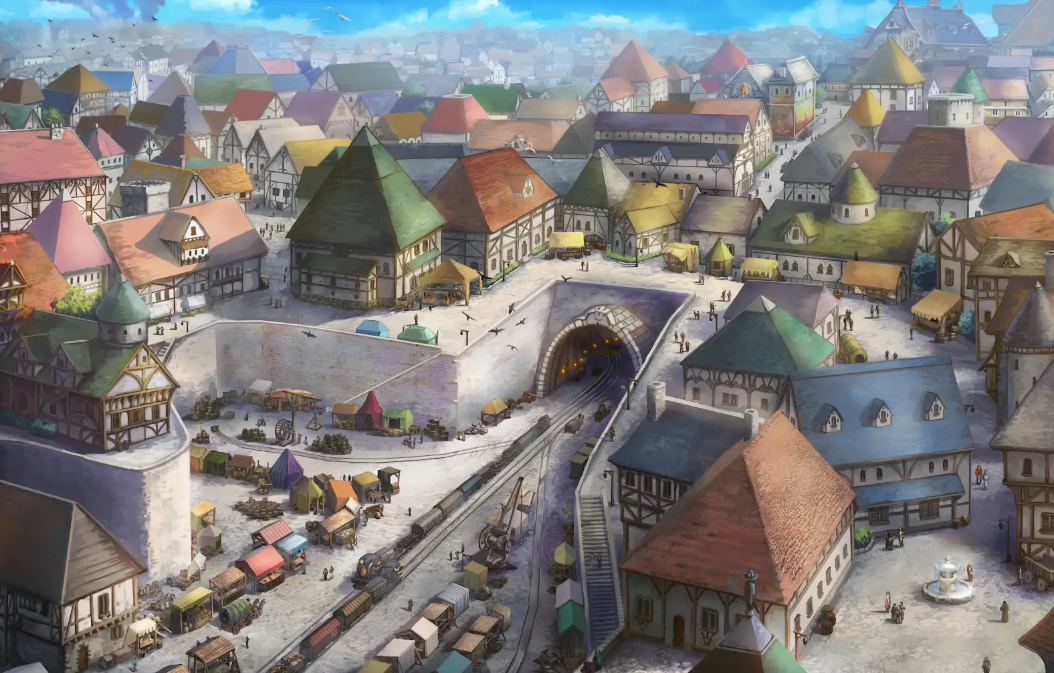
The best TTRPG campaigns give players more than a series of encounters. They create places worth exploring, characters worth remembering, mysteries worth chasing, and decisions that actually feel like they matter.
Gooey Cube creates immersive TTRPG campaigns designed to give Game Masters the depth they need to bring their tables to life. From sprawling cities and dangerous locations to unforgettable NPCs and interconnected storylines, every campaign is packed with details that help turn a game night into an ongoing adventure.
Whether you're preparing your next long-term campaign or searching for new material to bring into an existing game, Gooey Cube gives you plenty to work with.





0 comments