
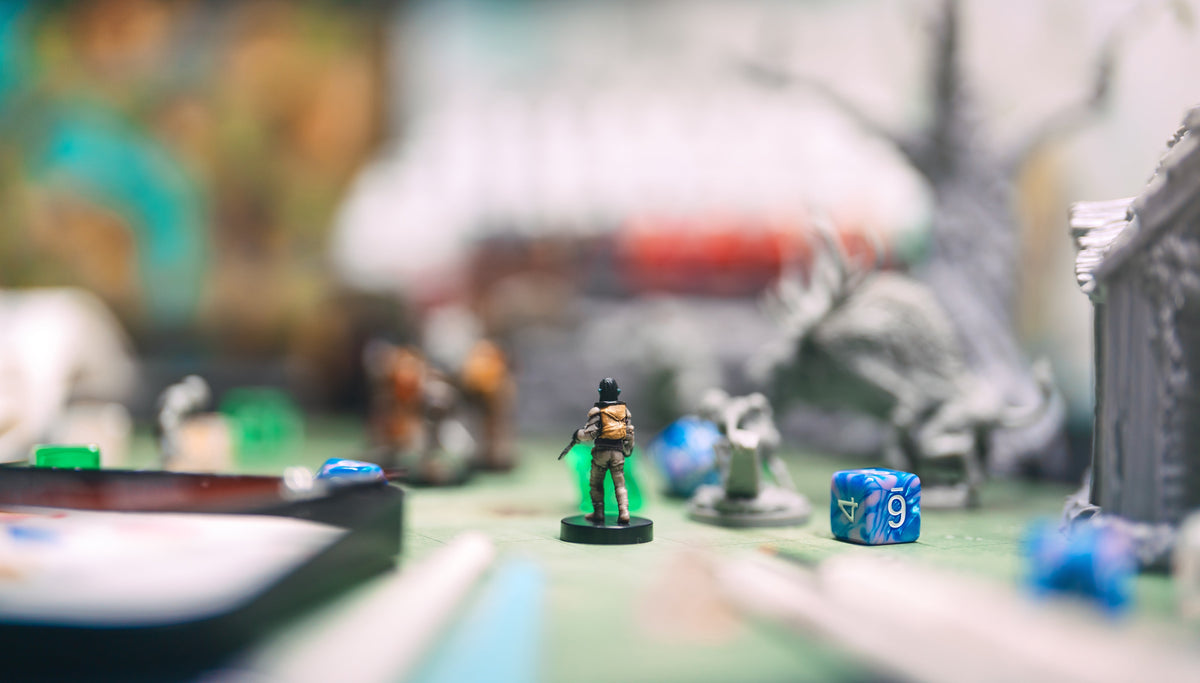
Character death is one of those tabletop moments that can hit a room in wildly different ways.
Sometimes it lands like a thunderclap. Everybody goes quiet. Dice stop moving. Someone stares at the battle map like maybe sheer denial can reverse time.
Sometimes it lands with the exact opposite energy. The barbarian gets eaten by a purple worm while trying something so unnecessary, so avoidable, and so completely on brand that the whole table starts laughing through the shock.
And sometimes it lands in that strange middle space tabletop games do so well, where it’s funny, awful, dramatic, stupid, moving, and weirdly perfect all at once.
That’s the thing about character death. It’s not just a mechanical event. It’s a table event. It changes the mood, the momentum, and sometimes the shape of the campaign. Even when everybody knew death was on the table, actually losing a character can still feel strange. A little unreal. Like the party has misplaced a limb.
But here’s the important part: a character dying doesn’t mean the game is broken.
It doesn’t mean the story failed. It doesn’t mean the campaign needs to grind to a halt while everybody holds a funeral for the session itself. It means something big happened, and now the game gets to respond.
That’s where the good stuff is.
First, Let the Moment Be Real
The very first thing to do when a character dies is also the simplest: don’t rush past it.
A lot of tables get awkward around death scenes, especially if they weren’t expecting one. Somebody starts reaching for the rulebook. Somebody else starts talking logistics. The GM starts thinking three steps ahead about replacement characters, resurrection options, encounter balance, and whether the dead ranger’s wolf companion now technically belongs to anyone.
All of that matters eventually. But first, let the moment land.
Give it a beat.
If the table’s sad, let them be sad. If they’re laughing because the circumstances were completely absurd, let them laugh. If the player whose character died wants a dramatic final line, that’s a great time for one. If they want none of that and would rather just exhale and say, “Well, that happened,” that’s fine too.
The point is not to force the scene into one emotional register. The point is to acknowledge that it happened and that it matters.
Character death gets weird when the table treats it like spilled soda. “Oops. Anyway.” Even in goofy campaigns, a little space goes a long way.
Don’t Assume Everybody Feels the Same Way
This is a big one.
One player might be genuinely upset. Another might be excited. A third might feel guilty because they think they could have prevented it. The GM might be trying not to visibly spiral because they weren’t emotionally prepared to kill anybody tonight.
That spread is normal.
A character death can be meaningful without being tragic for every single person in the same way. It can also be disappointing without being a disaster. A lot depends on tone, table expectations, and whether the death felt earned, random, avoidable, heroic, unfair, or just spectacularly bad luck flavored.
So before everybody starts charging toward a solution, it helps to get a read on the vibe. Not in a big ceremonial way. Just enough to know where people are at.
Sometimes the table needs five minutes to decompress and make jokes about how the wizard absolutely should not have touched that glowing altar.
Sometimes the player whose character died needs a little reassurance that they didn’t ruin the night.
Sometimes, everybody is instantly locked in because now the group wants vengeance with the intensity of a minor religion.
All valid.
If the Death Was Frustrating, Name That Honestly
Not every character death is beautiful.
Some are great story moments. Some are satisfying consequences. Some are legendary acts of dumb courage.
And some are just rough.
Maybe the player got taken out before they could really do anything. Maybe the death came from a misunderstanding. Maybe the encounter went sideways in a way that felt more muddy than meaningful. Maybe a rules mistake was involved. Maybe everyone at the table has that hollow little feeling of, “Well, that sucked.”
When that happens, don’t try to polish it into instant epicness.
You don’t need to tell everybody this was secretly amazing storytelling if it felt bad in the moment. You can just be honest. “Yeah, that was a rough one.” That honesty helps. It keeps the table from feeling like they are expected to clap for an outcome that didn’t land well.
From there, you can decide what to do next with a clear head. Maybe the death stands. Maybe there is a rules correction if something genuinely went wrong. Maybe the campaign’s tone needs a quick reset. Whatever the answer is, people handle it better when they don’t feel like they’re being asked to fake enthusiasm.
Decide Whether Death Is Final, Fixable, or Complicated
Every game handles death differently, and every campaign means something slightly different when it says “death is on the table.”
In some games, death is death. In others, death is more like an expensive inconvenience. In some settings, resurrection magic exists but comes with cost, scarcity, weirdness, politics, or divine paperwork. In others, the question is less “can we bring them back?” and more “should we?”
That distinction matters.
Once the initial moment has settled, the table usually needs to know which kind of problem this is. Is the dead character gone for good? Is there a clear path to resurrection? Is there a possible path, but it’s dangerous, expensive, or story-heavy? Is the answer technically yes, but the player would rather move on?
That last one matters a lot, by the way.
Not every player wants their character resurrected. Sometimes they loved the death scene. Sometimes they were ready for a change. Sometimes they’d rather let the moment stand than turn it into a side quest called Please Reassemble My Guy. Before the party starts kicking open every temple door in the kingdom, it’s worth checking what the player actually wants.
Because once again, this is a table event, not just a rules event.
Let the Death Change Something
If a character dies and nothing about the game shifts, the death can start to feel strangely weightless.
That doesn’t mean every death needs to launch a ten-session grief arc scored by a lonely violin. It just means the world should react somehow. The party should react somehow. The story should bend, even a little.
Maybe the surviving characters get more cautious. Maybe they get more reckless. Maybe the town the dead cleric saved insists on building a shrine. Maybe the villain underestimates the party because they think losing one member weakens them. Maybe it has the opposite effect, and now the group is operating like a vengeful weather system.
Change is the point.
Even if the campaign is lighthearted, death usually means the table has crossed a threshold. Somebody was here, and now they’re not. That should echo.
And, honestly, echoes are useful. They make the world feel like it has memory.
Give the Player Something to Do Soon
This is one of the biggest practical issues.
A dead character is dramatic. A bored player is a problem.
If somebody loses a character in the middle of a session, find a way to bring them back into play sooner rather than later. Let them run an NPC ally. Let them control monsters for a scene if the table enjoys that sort of chaos. Let them start sketching a replacement character with your help. Let them play the dead character’s familiar, squire, apprentice, or extremely stressed cousin if the fiction supports it.
Whatever the method, the goal is simple: don’t make someone sit there for two hours as a respectful ghost audience member unless they specifically want that.
Tabletop games are participatory. If the game lives, the player should too.
And yes, sometimes there is value in letting a death scene breathe before a replacement arrives. Of course. But there is a big difference between “take a beat” and “please spectate the fun while we all continue without you.”
Replacement Characters Deserve a Real Entrance
Sooner or later, a new character usually enters the picture. This is where campaigns can either regain momentum or fumble hard.
Everybody knows the awkward version. The party has just buried their friend, emotions are high, and then the GM says, “You meet a mysterious fellow in the tavern who is also level seven and wants to join you immediately.”
Look, sometimes you do what you have to do. Tabletop has always had a proud tradition of weirdly convenient party assembly. No shame there. But if you can give the incoming character even a little connective tissue, it helps a lot.
Tie them to the current situation. Give them a reason to care. Let them solve a problem on entry. Make them somebody the dead character knew, somebody affected by the same threat, or somebody with information the party needs. Let the new arrival feel like a continuation of play, not a spare chair with hit points.
And for the love of all dice, give the player a chance to come in cool.
They don’t need a ten-minute cutscene, but a little momentum helps. The first impression matters, especially when everyone is still adjusting to the shape of the group changing.
Don’t Rush the Party Past Grief, But Don’t Marry It Either
Some campaigns respond to character death by turning the next six sessions into a memorial fog. Other campaigns sprint past it so fast that it seems like the party forgot their fallen companion before the dirt settled.
Both extremes can feel weird.
The sweet spot is usually somewhere in the middle. Let the group mourn, joke, remember, argue, or honor the dead in whatever way fits the tone. But also let the campaign keep moving. The dead character was part of the story. They were not the only story.
That is not disrespect. That is life. And it’s also good pacing.
A death can matter deeply without freezing everything in amber. In fact, one of the most moving things a campaign can do is show how people carry the dead forward while still continuing on. The fighter starts using the cleric’s old battle cry. The rogue hangs onto a dumb trinket nobody else understands. The wizard keeps one empty place at the fire a little longer than necessary.
That kind of stuff hits hard because it lives alongside motion.
If Resurrection Happens, Make It Mean Something
Resurrection is one of tabletop gaming’s weirdest and coolest toys.
Used well, it can create incredible drama. Used carelessly, it can make death feel hokey.
Now, not every resurrection needs a massive ordeal. Some systems treat it as straightforward magic, and that is part of the genre. Fair enough. But even then, the return should usually change something. It costs resources. It shifted priorities. It required favors. It forced the party to choose this person over something else. Maybe the character themselves comes back changed, not in a grim dark “their eyes now glow with eternity” way unless that suits your game, but in a human way.
Dying tends to rearrange a person.
Even a small acknowledgment helps. A new fear. A new conviction. A joke they make too often now. A refusal to waste second chances. Or, if your table likes the weird stuff, maybe something followed them back, and now everybody has a different problem.
The point is not to punish resurrection. The point is to keep it from feeling emotionally disposable.
Sometimes Death Is the Best Ending That Character Could Have Had
This is the part people don’t always say out loud.
Sometimes a character dies, and it’s awful in the moment, but later everybody realizes it was exactly right.
Not planned. Not manufactured. Just right.
The paladin dies holding the bridge. The thief dies because this time they went back for someone else. The wizard dies reaching beyond their limits in the one moment it actually mattered. The bard dies talking instead of running, because of course they do.
And suddenly, what looked like a loss becomes an ending. A real one. The kind characters rarely get in ongoing fiction.
That doesn’t mean every death is secretly a gift. Sometimes it’s just a bummer. But when a death fits the shape of the character so perfectly that the whole table goes a little quiet afterward, it’s okay to let that stand. There is something rare and powerful in an ending that feels earned.
The Campaign Is Still Alive
That is the title truth right there.
When a character dies, the campaign doesn’t have to become lesser. Different, yes. Sadder for a while, maybe. Sharper. Stranger. More personal. But not broken.
In a good campaign, death is not the end of fun. It is a turning point. It creates memory. It changes priorities. It gives the surviving characters something to carry and the table something to respond to.
That is why these moments stick.
Years later, people might forget the exact initiative order or the number that came up on the die. But they will remember the fall, the sacrifice, the horrible luck, the desperate plan, the silence after, the ridiculous last words, the way the party changed, and the new character who showed up two sessions later and somehow became family, too.
That is the secret, really.
A character can die.
The game can live.
And sometimes, if the table lets it, the game’s heart beats stronger after the loss.
Your Turn!
How do you handle deaths? Let us know in the comments!
Explore Immersive Fantasy TTRPG Settings
A memorable fantasy TTRPG setting should feel bigger than a single quest.
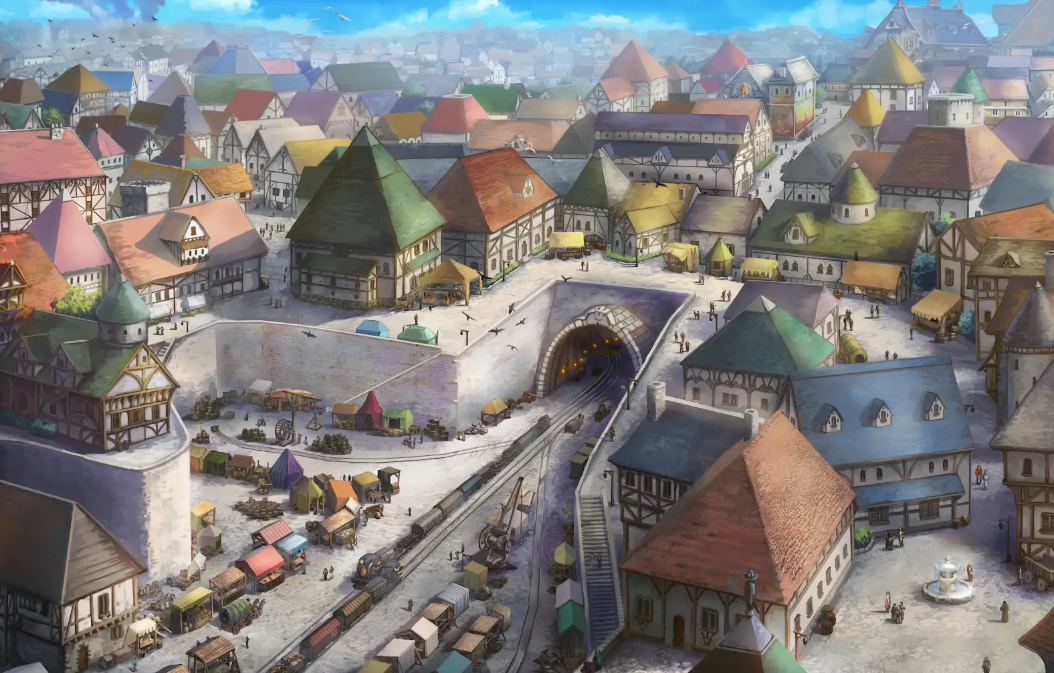
Gooey Cube's world of Zyathé is filled with cities, cultures, creatures, mysteries, factions, personalities, and stories waiting to be discovered. Adventures such as Darkenhaven and the Red Star Rising campaign give Game Masters a foundation for running sessions while leaving plenty of room for individual groups to shape the story.
Players can explore dangerous streets, investigate strange events, meet characters with their own motivations, uncover secrets, and make decisions that change how the adventure unfolds.
For GMs, that depth creates something especially valuable: possibilities.
A richly developed TTRPG campaign setting makes it easier to improvise because there is always another person, place, rumor, conflict, or detail you can pull into the game.






0 comments