
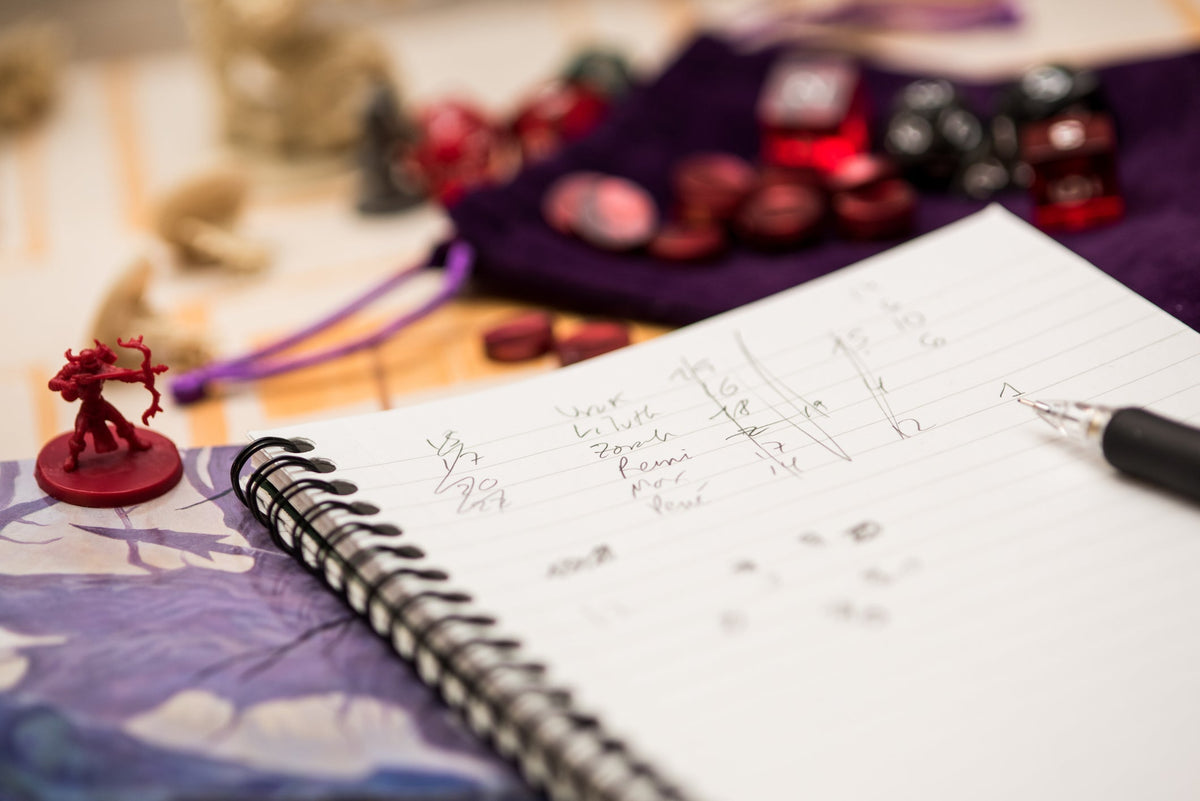
Being a Game Master means keeping track of an absurd number of things at once.
There are NPC names, player goals, monster abilities, secret doors, travel times, unresolved clues, political grudges, treasure parcels, and at least one tavern owner the party suddenly decided was the most important person in the campaign.
Meanwhile, your players are asking questions like, “What was the blacksmith’s daughter’s name?” and “Didn’t we leave a cursed sword with that priest three sessions ago?”
And you’re sitting there thinking, “I sure hope one of you wrote that down.”
Running a tabletop roleplaying game is part storytelling, part improvisation, part rules management, and part administrative chaos. The good news is that you don’t need a flawless system. You just need one that helps you find the right information before the table notices you’re staring into the middle distance.
Here are ten practical ways Game Masters can stay organized without turning game night into office work.
1. Keep One Master Campaign Document
The fastest way to lose track of your campaign is to scatter information across six notebooks, three apps, two chat threads, and a receipt you wrote on during lunch.
Pick one place to serve as your campaign headquarters.
It can be a digital document, a binder, a notebook, a campaign wiki, or a notes app. The format matters less than consistency. This is where you keep the information you’ll need again and again.
Useful sections might include:
-
Major NPCs
-
Factions
-
Current quests
-
Important locations
-
Player character goals
-
Unresolved mysteries
-
Session summaries
You don’t need to put every detail in there. Think of it as the campaign map, not the entire terrain. Its job is to point you toward what matters.
2. Write Short Session Recaps
You may think you’ll remember what happened last session.
You won’t.
Your brain will confidently retain the name of a goblin the party killed six months ago while completely deleting the identity of the noble who hired them last Saturday.
At the end of each session, write a short recap. Five to ten sentences is usually enough.
Include what the party accomplished, where they ended, who they met, what changed, and what remains unresolved. Add any promises, threats, or strange decisions that might matter later.
For example:
“The party reached Banderveer and learned the western gate has been sealed. Mira insulted Captain Vell. The group agreed to investigate missing miners. They found claw marks near the old lift. Joren kept the silver key hidden from the others.”
That recap will save you later.
It also makes prepping the next session much easier because you can instantly see where the momentum is.
3. Use Consistent Naming Conventions
Nothing creates mix-ups faster than naming one NPC Alaric, another Alarik, and a third Elric. If you don’t agree, I highly suggest you read/watch George R.R. Martin’s House of the Dragon and then come back and tell me that the Targaryen names are perfectly unique and not at all confusing.
Try to give important characters distinct names, especially if they appear in the same region or faction. Use different starting letters, rhythms, or cultural patterns.
You can also tag names by role in your notes.
For example:
-
Captain Vell, city watch
-
Sister Morra, temple healer
-
Dain Kest, smugglers’ contact
-
Orwin Pell, nervous magistrate
Those little labels are much easier to scan than a page full of names with no context.
Also, keep a list of spare names nearby. Players love walking into random shops and demanding the full biography of someone you invented four seconds ago. A name list lets you answer confidently instead of calling every third merchant “Bob.”
4. Track NPCs by Motivation, Not Biography
You don’t need a full life story for every innkeeper, guard, cultist, and bridge troll.
You need to know what they want.
For each important NPC, write down three things:
-
What they want
-
What they fear
-
How they currently feel about the party
That’s usually enough to roleplay them consistently.
For example:
“Captain Vell wants order, fears public humiliation, distrusts the party.”
Now you know how Captain Vell reacts when the group causes trouble, asks for help, or exposes corruption.
Motivation is easier to use at the table than biography. You can always add history later if the NPC becomes important.
And they will. It’ll probably be the one you thought was disposable.
5. Keep a Running List of Loose Ends
Campaigns generate unfinished business at a frightening pace.
The players promise to help someone, ignore a warning, steal from a guild, discover half a clue, or accidentally release something ancient and hungry.
If you don’t track those loose ends, they disappear.
Keep a simple list titled “Open Threads” or “Things That May Come Back to Bite Them.”
Examples:
-
The necromancer escaped.
-
The party owes the river guild a favor.
-
Someone is following the cleric.
-
The abandoned shrine still has one sealed door.
-
The mayor knows they lied.
Review that list before each session.
You don’t have to use every thread immediately. In fact, it’s better if some sit for a while. But when one returns at the right moment, your players will think you planned it all along.
Smile and let them believe that.
6. Prepare Situations, Not Scripts
Overwriting is one of the easiest ways to become disorganized.
If you prepare a rigid sequence of scenes, every unexpected player choice creates chaos in your notes. Suddenly you’re flipping through pages trying to find the part where the heroes were supposed to accept the queen’s invitation instead of robbing her carriage.
Prepare the situation instead.
Know who is involved, what they want, what happens if nobody interferes, and what resources are available.
For example:
“The smuggler guild is moving cursed relics through the docks tonight. The watch suspects something but lacks proof. A rival gang plans to steal the shipment.”
That situation can survive almost any player decision.
Scripts break when players improvise. Situations adapt.
7. Use Simple Visual Markers
Your notes should be easy to scan during play.
You don’t want to stop the session while reading three dense paragraphs to locate one armor class.
Use bold text, symbols, headings, color coding, sticky tabs, or abbreviations.
You might use:
-
A star for important clues
-
A skull for dangerous threats
-
A coin symbol for rewards
-
A question mark for unresolved information
-
A box around anything you must reveal
Keep it simple. Too many colors and symbols can become their own form of chaos.
The goal is not to create the world’s prettiest notebook. The goal is to find “poison resistance” before the rogue finishes asking whether the spider bite feels weird.
8. Separate Player Knowledge From GM Knowledge
This one prevents a lot of mistakes.
Keep secrets clearly marked.
If your notes mix public information, private motives, hidden doors, and future betrayals into one paragraph, you’re eventually going to reveal something too early.
Use separate sections like:
-
What the players know
-
What is actually true
-
What the NPC believes
-
What may happen next
This structure is especially useful in mysteries, political games, and horror campaigns.
It also helps you avoid accidentally treating your own information as something the characters understand. Just because you know the duke is possessed doesn’t mean the party should immediately notice his suspicious fondness for raw eggs.
9. Create a Session Prep Checklist
Preparation gets easier when you stop reinventing it every week.
Make a short checklist and use it before every game.
It might include:
-
Review the last recap
-
Check player goals
-
Pick three likely scenes
-
Prepare relevant NPCs
-
Choose possible encounters
-
Review open threads
-
Gather maps and handouts
-
Note one strong opening image
This keeps you focused.
Without a checklist, it’s very easy to spend two hours designing the currency system of a kingdom the players may never visit while forgetting to prepare the villain standing in the next room.
A checklist protects you from your own enthusiasm.
10. End Every Session With Notes for Next Time
The best moment to prepare for the next session is right after the current one.
Everything is still fresh. You remember which NPC voice you used, which clue the players misunderstood, and which ridiculous plan they announced during the final five minutes.
Write down:
-
Where the party ended
-
What they intend to do next
-
Which NPCs are present
-
Any consequences already in motion
-
Anything you improvised that became important
This takes five minutes and can save you an hour later on.
It also prevents the painful experience of opening your notes before the next session and finding the phrase “they know about the thing” with no explanation whatsoever.
Past you was not as helpful as past you thought.
Organization Should Support the Game
The point of organization isn’t to create perfect records.
You aren’t archiving a royal census.
You’re trying to make the game easier to run.
A good organizational system helps you answer questions, remember consequences, and move smoothly through the session. It keeps you present with the players instead of constantly searching through notes.
If your system takes more work than the game itself, simplify it.
Keep one reliable campaign document. Write short recaps. Track motivations and loose ends. Prepare situations. Use checklists. Leave yourself clear notes.
Most importantly, build habits that you’ll actually maintain.
The best system isn’t the fanciest one. It’s the one you still use after session fourteen, when the party has adopted two goblins, angered three gods, opened a bakery, and somehow became legally responsible for a haunted lighthouse.
Stay organized enough to remember what matters.
The rest can always be improvised.
More Than a TTRPG Adventure Book
A TTRPG adventure isn't only something you read before the session. It's something you use while five people are asking questions, someone is checking a spell description, and another player has just decided to investigate a completely unexpected alleyway.
Gooey Cube creates materials with the table in mind.
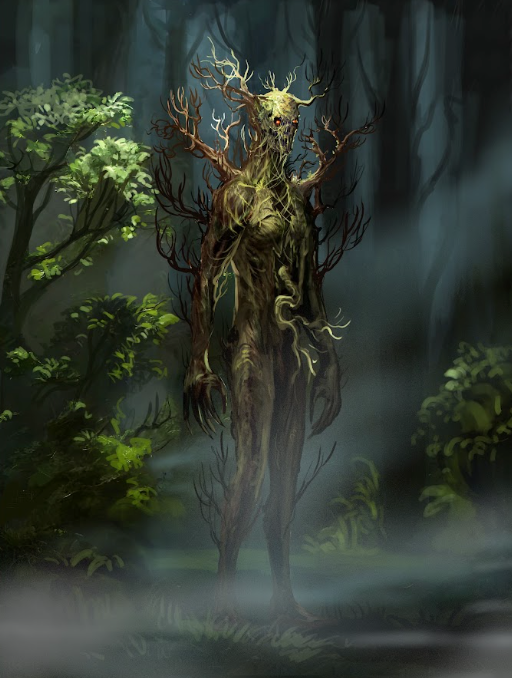
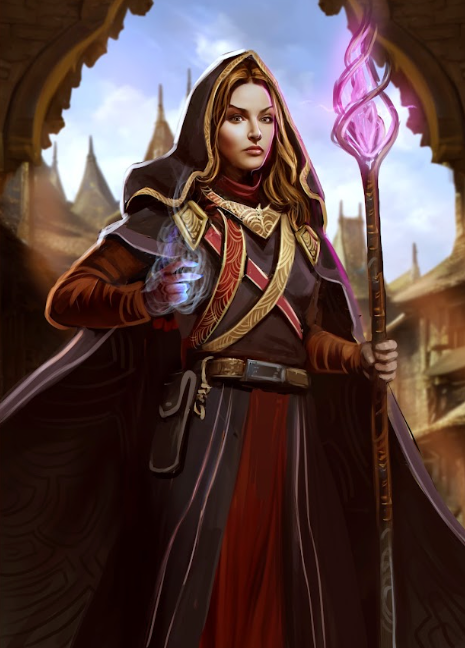
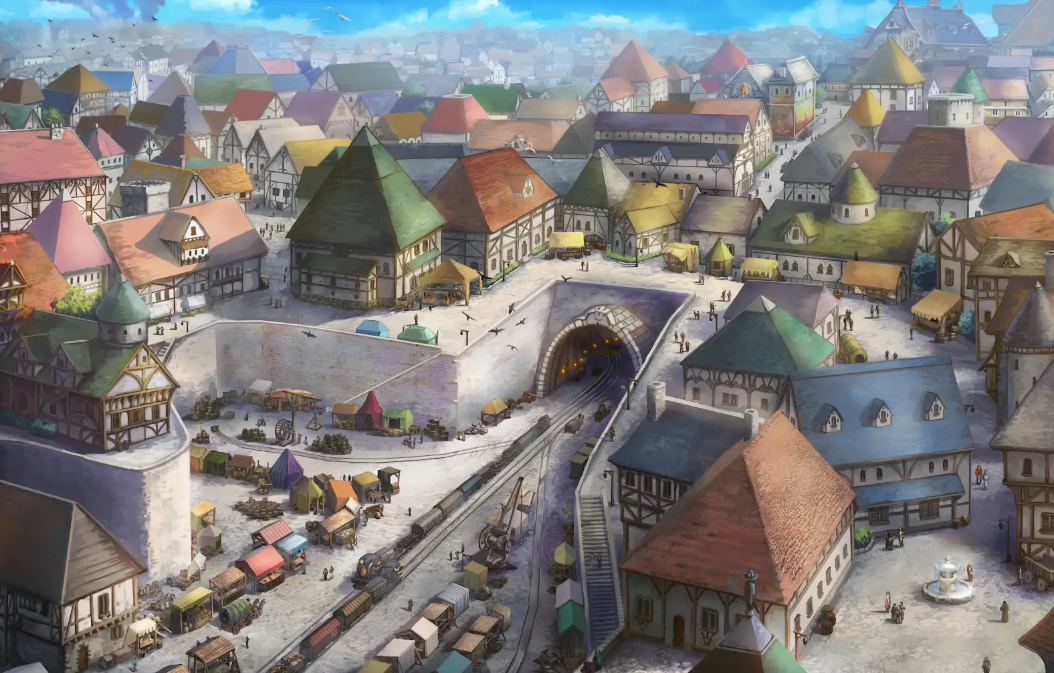
Depending on the adventure or campaign, GMs may have access to maps, NPC portraits, location artwork, handouts, encounters, character information, digital resources, and other tools that help communicate what's happening in the world.
These resources can help players picture the characters they're meeting and the places they're exploring without requiring the GM to prepare every visual aid independently.






0 comments