
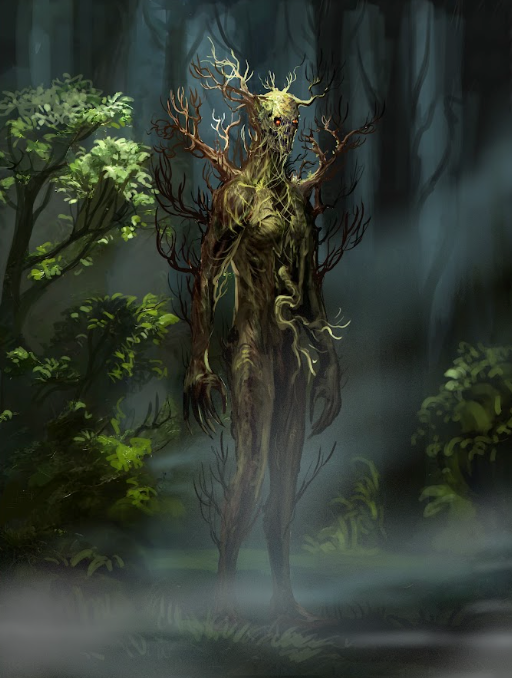
A great boss fight shouldn’t feel like four adventurers surrounding one unfortunate sack of hit points and beating on it until the math says everyone can go home.
Boss fights are supposed to feel different. They’re the confrontation players have been talking about for weeks, the moment when the villain finally stops sending cultists, assassins, skeletons, angry letters, or legally questionable tax collectors and decides to handle the problem personally. When the dice hit the table, players should feel like they’ve reached something bigger than an ordinary combat encounter.
One of the easiest ways to create that feeling is to build the fight in phases. A phased boss fight changes while the players are inside it. The villain alters tactics, the battlefield transforms, new dangers appear, or the objective itself shifts. Instead of spending six rounds repeating the same attacks, the party has to keep reassessing the situation.
Done well, phases turn a long combat into a story with a beginning, middle, and delightfully violent end.
Phase One Should Teach the Fight
The first phase doesn’t have to be easy, but it should help the players understand what it is they’re dealing with.
Maybe the vampire lord relies on charm and summoned servants while keeping the party at a distance. Perhaps the giant warlord fights defensively behind a shield while archers attack from the balconies. The ancient wizard might remain protected by magical crystals that the players quickly realize they’ll have to destroy. This is where the table learns the boss’s language.
Players discover what hurts, what doesn’t, which abilities are dangerous, and what parts of the battlefield matter. They’re forming a plan, which means the GM is about to have the pleasure of changing the situation just as everyone starts feeling comfortable.
That’s when Phase Two arrives.
Make the Transition Obvious
If the fight changes, let the players feel it.
Don’t quietly add twenty damage to the boss’s attacks and hope somebody notices. Give the transition some theatrical razzle dazzle.
The dragon crashes through the cathedral floor and takes the battle into the crypt below. The necromancer shatters the gem hanging around her neck, releasing the spirits trapped inside. The armored tyrant tears off his ruined breastplate, throws away his shield, and draws the enormous sword everyone hoped was decorative.
Now the table understands that something important has happened.
A phase transition is a chance to refresh everyone’s attention, particularly in longer combats where players may have started settling into predictable routines. A strong visual or narrative change tells them that whatever strategy worked five minutes ago may no longer be enough.
It also makes the boss feel more dramatic without requiring an hour-long villain speech nobody was going to let them finish anyway.
Change the Problem, Not Just the Stats
A second phase shouldn’t simply mean the boss has more hit points and deals more damage.
That’s not really a phase. That’s bookkeeping.
Each phase should alter how the players interact with the encounter. If phase one rewards staying close, perhaps phase two forces everyone to spread out. If the villain begins the fight commanding minions, maybe losing those minions causes them to become much more aggressive personally. If the party has been safely hiding behind pillars, the boss might destroy the pillars.
The battlefield itself can become part of the transformation.
A collapsing tower creates falling debris and shrinking safe spaces. Rising lava forces movement. Magical portals begin opening around the chamber. A sinking ship develops an increasingly inconvenient relationship with the ocean.
You don't have to reinvent the entire combat every few rounds, but something meaningful should change.
Players should have to look at the table again and say, "OK, new plan."
Tie the Phases to the Boss's Personality
Phases are more memorable when they reveal character.
Imagine a proud knight who begins the fight following strict rules of honorable combat. Once badly wounded, they realize they're going to lose and start cheating. Suddenly they're kicking people down stairs, using poisoned blades, and ordering hidden archers to fire.
That transition tells you something.
Or picture a sorcerer whose calm confidence gradually disappears. Their first phase consists of precise spells and carefully controlled defenses. In the second, they start burning through forbidden magic. By the final phase, they're barely controlling the power they've unleashed.
The mechanics are telling the story.
That's much more interesting than announcing, "The boss is below fifty percent health, so they unlock Ability B."
Players may never see your encounter notes, but they'll absolutely understand desperation when the villain stops protecting themselves and starts trying to take everyone with them.
Give the Players a Chance to Affect Later Phases
One of the most satisfying tricks in phased combat is allowing earlier choices to change what happens later.
Maybe the villain has four ritual stones powering their final transformation. Every stone the players destroy during phase one weakens the final form.
Perhaps there are prisoners around the battlefield who'll become undead reinforcements unless the party frees them before the necromancer reaches phase two.
Maybe destroying the war machine early prevents the boss from activating it later.
Now the players aren't simply surviving phases you've predetermined. They're influencing them.
This rewards smart play and makes the battle feel responsive. It also creates delicious decisions because attacking the boss isn't always the best use of a turn. Do you deal damage now, or spend precious time removing something that'll become much worse later?
Those choices give combat teeth.
Don't Make Every Phase Another Full Health Bar
Here's where enthusiasm can get dangerous.
You design a cool villain.
Then you design their transformed version.
Then their demonic version.
Then their final desperate version.
Then their secret skeletal form.
Congratulations, you've created a three-hour hostage situation.
Phases should refresh a fight, not make it immortal.
You can transition at health thresholds without restoring all the boss's hit points. You can use smaller health pools for later forms. You can make a phase last only two or three rounds before something dramatic happens.
The goal is pacing.
If players respond to a transformation with excitement, you're doing well. If they respond by staring at their remaining spell slots with the hollow expression of people who just learned there's another layover, you may have overdone it.
Two or three strong phases are usually plenty.
Consider Changing the Objective
Not every boss fight needs to end with the boss reaching zero hit points.
Changing the objective midway through can produce fantastic drama.
The party begins by trying to defeat the cult leader, but halfway through the fight the ritual succeeds. Now killing the cultist matters less than stopping the creature coming through the portal.
Maybe the heroes realize the monster can't actually be killed with ordinary weapons, so the objective shifts toward trapping it.
Perhaps the villain starts collapsing the fortress once defeat becomes inevitable, and suddenly everyone has to escape.
This kind of shift keeps players from thinking only in terms of damage output. It reminds them that combat exists inside a story, and stories can change direction when people make desperate choices.
Give the Final Phase Some Urgency
The last phase should feel like the fight has run out of patience.
Resources are low. Characters are wounded. The battlefield is probably in terrible condition, and somebody's carefully planned strategy has almost certainly gone sideways.
This is the perfect time to make things faster rather than more complicated.
The boss becomes aggressive.
The room starts collapsing.
The ritual reaches its final moments.
Reinforcements are approaching.
Something creates a clear sense that the battle is reaching its conclusion.
You don't necessarily need to make the final phase harder than everything before it. Sometimes vulnerability is more dramatic. The villain loses their magical protection and becomes easier to hurt, but now they're using devastating attacks because survival no longer matters.
That creates the feeling of a sprint toward the finish line.
Let the Ending Look Like an Ending
When the boss finally goes down, give the moment room.
The ancient armor cracks apart. The magical storm disappears. The summoned creatures collapse. The villain's sword hits the floor and the entire chamber suddenly becomes quiet.
Players have probably spent a significant portion of the session earning this victory. Let them enjoy it before moving directly into treasure calculations and travel logistics.
A boss fight with phases works because the battle itself tells a story. The players meet the enemy at full strength, force them to adapt, survive the escalation, and finally push them into desperation.
That's what separates the fight from another encounter with a bigger stat block.
Build phases that change tactics, reveal personality, reshape the battlefield, and respond to player choices. Keep each phase distinct enough to matter, but short enough that nobody starts wondering whether the boss has a fifth form hidden in a nearby filing cabinet.
Do that, and your players won't remember the fight because the villain had 280 hit points.
They'll remember the moment the cathedral floor collapsed, the dragon followed them into the crypt, and everyone realized the real fight had only just begun.
Your Turn!
How do you show an epic boss fight? Let us know in the comments!
More Than a TTRPG Adventure Book
A TTRPG adventure isn't only something you read before the session. It's something you use while five people are asking questions, someone is checking a spell description, and another player has just decided to investigate a completely unexpected alleyway.
Gooey Cube creates materials with the table in mind.
Depending on the adventure or campaign, GMs may have access to maps, NPC portraits, location artwork, handouts, encounters, character information, digital resources, and other tools that help communicate what's happening in the world.
These resources can help players picture the characters they're meeting and the places they're exploring without requiring the GM to prepare every visual aid independently.



0 comments