
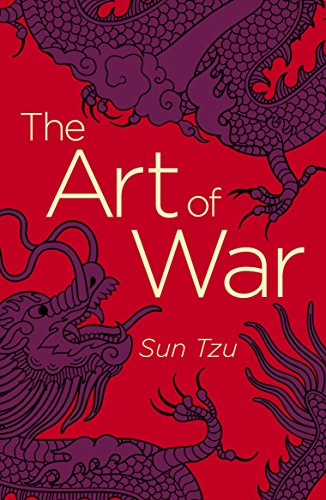
Let's be honest. Most of us picked up a d20 because we wanted to be the hero who outsmarts the dragon, not the guy who charges in swinging and hopes for the best. If you've ever sat at the table watching your party's "plan" fall apart the second initiative rolls, you already know that raw damage output only gets you so far. Real battle strategy is a skill, and it turns out one of the best teachers has been sitting on a shelf for about 2,500 years.
Sun Tzu's The Art of War wasn't written with goblins or mimics in mind, but don't let that fool you. This ancient Chinese military text is packed with ideas that map almost perfectly onto tabletop combat. Whether you're a GM building an encounter or a player trying to keep your party alive, here's what the old master can teach you.
Know Your Enemy (And Yourself)
Sun Tzu's most famous idea is that you win before the battle even starts, by understanding both sides completely. In your game, this means actually using that Nature check to identify the monster type, or asking your GM for a description before you swing blindly. Is that thing resistant to slashing damage? Does it have a nasty reaction if you get too close? A rogue who scouts ahead and reports back is doing exactly what Sun Tzu preached.
And knowing yourself matters just as much. If your barbarian has 8 hit points left, this isn't the round to go toe-to-toe with the ogre. Self-awareness at the table, both in-character and out, saves lives. Or at least saves you from another death save montage.
The High Ground Isn't Just a Meme
You've probably heard the Star Wars line a million times, but Sun Tzu was saying it long before Obi-Wan. Terrain wins fights. A smart GM builds encounters with elevation, chokepoints, and cover baked in, and a smart party uses every inch of it. Got a narrow hallway? Funnel the enemies through it so you're not getting swarmed. Spotted a ledge? Get your archer up there. Position isn't flavor text, it's tactics.
Speed & Deception Win Fights
"All warfare is based on deception," Sun Tzu wrote, and honestly, that's basically the thesis statement for every bard build ever created. Feinting, misdirection, and striking where the enemy doesn't expect it are all things your party can pull off with the right spells and skill checks. Send the illusionist ahead to create a distraction. Have your fighter draw aggro while the wizard sets up a fireball nobody sees coming. Combat doesn't have to be a straight fight when your whole party plays it smart.
Speed matters, too. Sun Tzu talks a lot about swift, decisive action instead of dragging out a prolonged siege. In game terms, that's the difference between nova-ing a boss down in three rounds versus grinding through a slog where your healer runs out of spell slots, and everyone's cursing the encounter design.
Don't Fight Every Battle
This one's huge, and it's something new players especially forget. Sun Tzu believed the smartest wins are the ones where you avoid unnecessary conflict altogether. Not every random encounter needs to end in a fight. Sometimes the party that talks their way past the ogre camp, or sneaks around the patrol instead of engaging, comes out way ahead compared to the group that burns all their resources on a fight that didn't matter to the story.
Good GMs build in these choices on purpose, and good players learn to spot them. Combat is a resource, not an obligation.
Adaptability Beats a Rigid Plan
“Those who are able to adapt and change in accord with the enemy and achieve victory are called divine.” If you've ever watched a beautifully crafted battle plan collapse the moment the enemy rolls a crit, you know exactly what Sun Tzu meant by having to quickly change plans.
The teams that do well aren't the ones with the perfect plan going in. They're the ones who can pivot when the plan falls apart. Maybe your original strategy was to lure the enemy into a trap, but they resisted the spell that was supposed to trigger it. Fine. What's plan B? The best parties always have one.
Bringing It to Your Table
You don't need to memorize ancient Chinese military doctrine to run a good combat encounter or survive one. But the core ideas hold up remarkably well. Scout before you charge. Use your terrain. Don't be afraid to bluff or misdirect. Pick your fights. And when things go sideways, and they will, adapt instead of panicking.
Next session, before your party barrels into that dungeon room, take a second and ask what Sun Tzu would do. Your GM might just be impressed enough to let you roll with advantage.
Your Turn!
What philosophies do you include in your games? Let us know in the comments!
Build Bigger Stories With Gooey Cube TTRPG Adventures
Great tabletop roleplaying games give players a world worth getting lost in. Gooey Cube creates immersive TTRPG adventures, campaign settings, and Game Master resources designed to make those worlds easier to run and more memorable to explore.
Whether your group is starting a new fantasy TTRPG campaign or looking for fresh locations, characters, encounters, and story ideas, Gooey Cube gives GMs more to work with at the table. Our adventures combine detailed storytelling with practical game materials, helping you spend less time building every piece from scratch and more time reacting to whatever your players decide to do next.







0 comments