
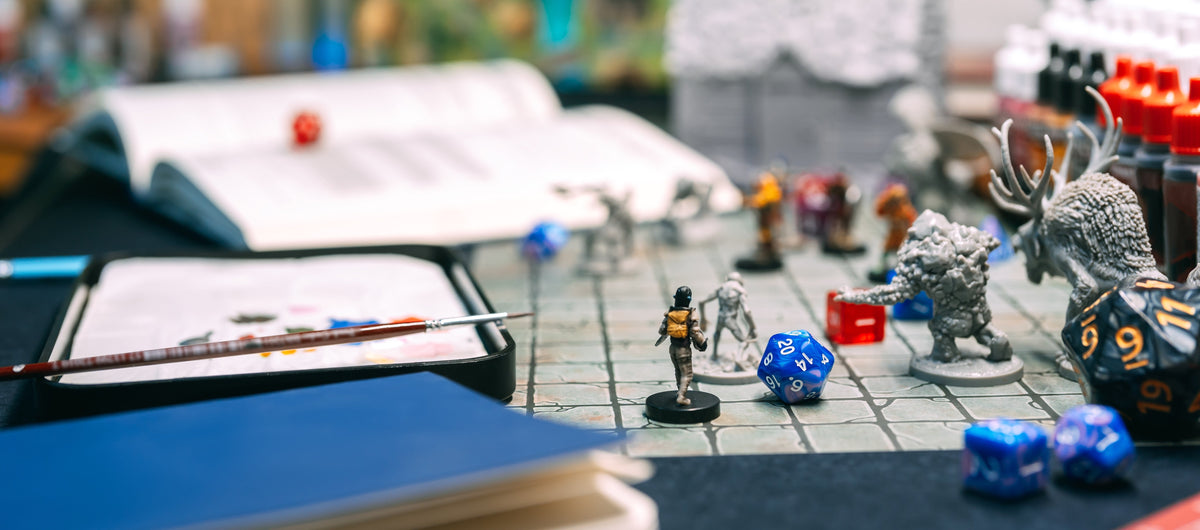
Why Pacing Matters
Most tabletop groups have had this moment.
That magical session where the hours seem to vanish, every scene lands, everyone gets a moment to shine, and the game ends with the whole table leaning forward instead of checking the time. You pack up your dice, head home, and spend the rest of the night replaying your favorite moments in your head.
That is pacing.
Pacing is the hidden engine of a great session. It’s not flashy like a dramatic villain monologue, and it’s not as obvious as a beautifully painted battle map. But when pacing is working, the whole game feels better. Combat feels punchier. Roleplay scenes feel sharper. Investigation feels tense instead of muddy. Even shopping can be fun when it moves with purpose.
The good news is that pacing is not some mystical gift only a few game masters are born with. It’s a skill, and like any gaming skill, it gets stronger the more you use it.
It’s All About Energy
At its core, session pacing is about energy. When do you speed up? When do you slow down? When do you let a scene breathe, and when do you cut before it starts to drag? Good pacing gives your session rhythm. It lets big moments hit hard because they’re not buried under twenty minutes of aimless discussion about rope.
And yes, before anyone asks, the players matter, too. The GM steers the wagon, but the whole party is riding in it. Great pacing is a group sport.
Start Late, End Early
One of the simplest tricks is to start scenes later than you think you should. You typically don’t need to play out every footstep on the way to the action. If the party is headed to the duke’s manor, you can skip straight to, “The butler gives you a frosty look as the doors swing open. The duke is waiting.” Boom. We are in it. The scene already has tension. Nobody needed ten minutes of courtyard descriptions to get there.
The same goes for ending scenes. Once the interesting question has been answered, move on. If the party successfully haggles for supplies, you don’t need to roleplay every individual purchase unless someone at the table is genuinely enjoying it. Wrap it up, toss in a flavorful detail, and cut to the next beat. Think like an editor. Leave the good parts in. Trim the rest.
A lot of pacing problems come from treating every moment like it deserves equal screen time.
It doesn’t.
The desperate rooftop chase gets center stage. The third attempt to decide which tavern serves stew gets the fast-forward button.
Let the Game Breathe
That doesn’t mean rushing all the time. Good pacing is not the same as constant speed. In fact, nonstop intensity can be just as exhausting as a slow, meandering session. If every scene is life or death, nothing feels special. Players need quiet spaces between the thunderclaps. They need time to joke in character, poke at mysteries, flirt badly with NPCs, and come up with plans that are either brilliant or deeply cursed.
Those quieter scenes are not wasted time. They are contrast. Contrast is what makes pacing work. A creepy dungeon crawl feels creepier after a lively tavern scene. A huge boss fight lands harder after a stretch of investigation and uncertainty. A heartfelt campfire conversation hits home because the group has room to settle into it.
Think of your session like music. You want crescendos, sure, but you also want pauses, softer notes, and moments where the melody changes. If everything is loud, it all blurs together.
Watch the Table, Not Just the Story
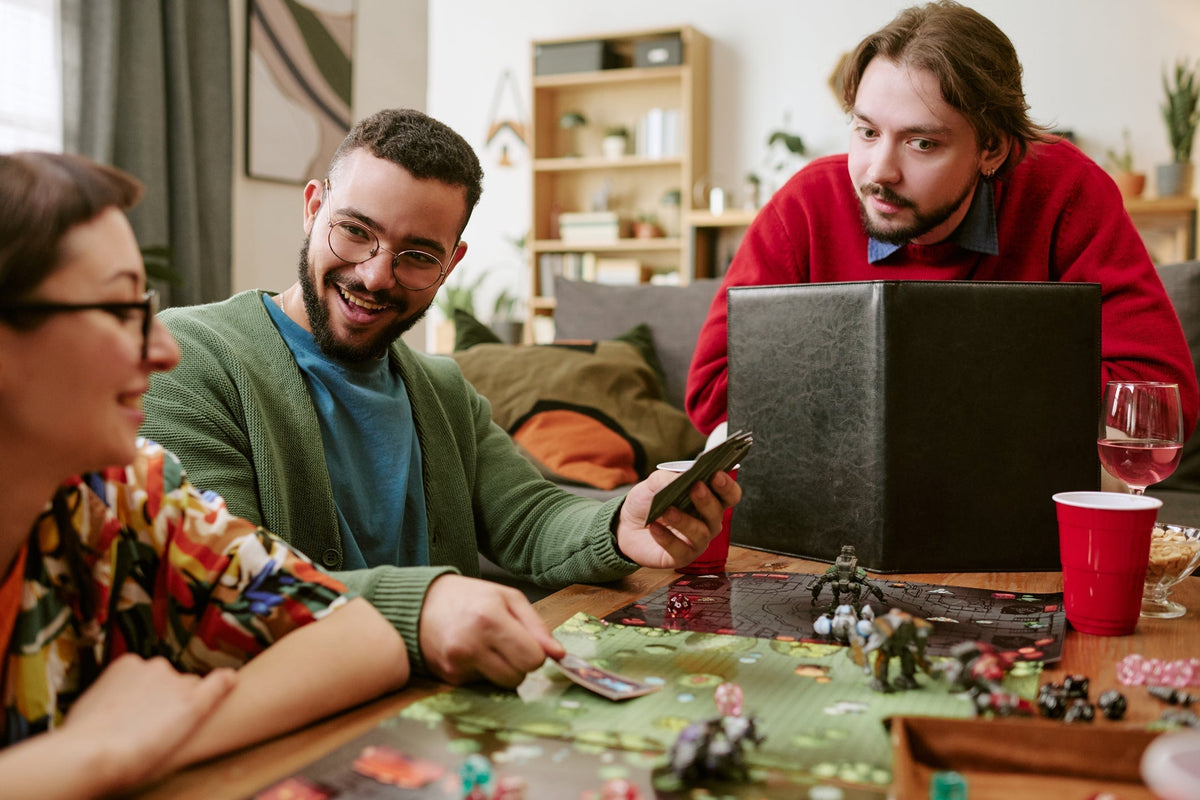
One of the best habits a GM can build is paying attention to table energy. Not just the characters, the actual humans. Are people leaning in? Are they laughing? Are they going quiet because the moment is tense, or because they’re losing the thread? Is one player carrying the scene while the others fade into the background?
That kind of awareness matters more than any prep document.
Sometimes the party is deep in a planning spiral, arguing over whether to go through the front gate, the servant entrance, the sewers, or somehow all three at once. Planning can be fun, but it has a shelf life. When the energy starts to dip, nudge things forward. Have an NPC interrupt. Add a ticking clock. Ask for a decision. “You hear armored boots in the hall. What do you do?” Suddenly, the debate becomes action.
Use Pressure to Create Momentum
Ah, pressure, one of the oldest pacing tools in the kit.
Pressure keeps sessions from turning into fog. It doesn’t have to mean combat. It can be a rival crew making a move first, a ritual nearing completion, a witness about to leave town, or the simple fact that the market closes at sundown. Urgency gives players something wonderful: a reason to stop talking and start doing.
Match the Pace to the Type of Session
Another big pacing boost comes from knowing what kind of session you’re running. Not every game night needs the same structure. A dungeon session often thrives on a cycle of discovery, danger, problem-solving, and payoff. A political intrigue session might lean harder on conversations, reversals, secrets, and social consequences. A horror session benefits from slow dread, then sudden spikes of panic. If you know the flavor you’re aiming for, it gets easier to decide when to stretch a scene and when to jump to the next one.
Keep Combat from Dragging
Combat deserves special mention because it’s where pacing often goes to die.
A great fight feels dynamic. A sluggish fight feels like everyone is waiting for permission to have fun again. If you want combat to move, make turns easy to read. Put stakes in the environment. Give enemies goals beyond “reduce hit points to zero.” Let the battlefield change. A collapsing bridge, rising water, a summoning circle nearing completion, these things create movement. Players make faster, more interesting decisions when something beyond the initiative order is happening.
Also, it’s okay to cut the mop-up phase. Once a battle’s outcome is obvious and the last two goblins are mostly there to eat time, wrap it with style. Describe the finishing blows, let the heroes look cool, and move on. Nobody needs six more rounds of cleanup unless the cleanup is the point.
Players Can Help Set the Pace
For players, pacing like a pro means recognizing when to grab the spotlight and when to pass it. If your character has a big emotional moment, awesome, go for it. But keep an eye on the room. Invite others in. Ask another character what they think. Toss them a question. Give them a chance to react. The fastest way to improve a session’s flow is to make sure scenes have more than one heartbeat in them.
It also helps when players make strong choices. Pacing stalls when everybody waits for the perfect plan or the safest option. Memorable sessions often happen because someone says, “You know what? I kick the door open.” Decisive characters generate momentum. Momentum creates a story.
Prep for Motion, Not Perfection
Prep can help pacing, but not in the way people often think. You don’t need fifty pages of lore. You need a sense of movement. What are two or three scenes you think might happen? What information absolutely needs to come out tonight? Where are the likely high points? If the session drifts, what can you drop in to refocus things?
A messenger with bad news.
A strange noise from below.
An offer nobody expected.
A consequence arriving right on time.
That is the real trick. Good pacing isn’t about controlling everything. It’s about knowing how to keep the ball rolling when the game wobbles.
And it will wobble. That’s part of the charm. Tabletop games are gloriously messy. Players miss clues, adopt random NPCs, invent side quests out of background furniture, and sometimes spend thirty minutes becoming emotionally invested in a frog. You don’t need to stamp out the chaos. You just need to shape it. Let the funny detours happen, then steer back toward the good stuff before the wheels come off.
Find the Rhythm
The best-paced sessions feel alive because they leave room for surprise while still moving with purpose. They know when to linger and when to leap. They build tension, release it, then build again. They trust that not every moment needs to be huge, but every moment should feel like it belongs.
So next time you sit behind the screen or slide into your chair as a player, think less about cramming in more content and more about finding the rhythm. Start scenes closer to the spark. End them before they go stale. Watch the room. Use pressure when you need momentum. Let quiet moments exist so the loud ones can sing.
Do that, and your sessions will not just run longer or shorter, they’ll flow.
And when a game flows, everybody at the table feels like they are part of something special. That’s the good stuff. That’s why we keep coming back, week after week, chasing one more perfect night of dice, danger, and unforgettable nonsense.
Your Turn!
Log into your account to leave a comment below. How do you pace your sessions?
Explore the World of Zyathé
Gooey Cube's fantasy world of Zyathé is home to expansive TTRPG campaigns filled with mystery, danger, strange places, and even stranger people.
Campaigns and settings including Red Star Rising and Darkenhaven give Game Masters richly developed environments to explore while leaving room for each group to make the story their own.
Every table tells a different version of the adventure. Gooey Cube simply gives you more pieces to play with.



0 comments