

Why This Balance Matters So Much
There is a sweet spot in TTRPGs that everybody recognizes.
It's the fight that looked ugly at first, then turned glorious when the plan came together. It's the dungeon that felt dangerous without turning into a funeral procession. It's the mystery that made the table sweat a little, then made everybody feel clever when the clues finally clicked. It's that wonderful sensation of earning a win instead of being handed one, while also not getting curb-stomped into the middle of next week by three skeletons and a bad initiative roll.
That sweet spot is the balance between challenge and achievement.
Get it right, and the game sings. Players feel tested, but not punished. Victories feel earned, but not exhausting. Losses sting in a way that sharpens the story instead of draining the fun out of the room. Get it wrong, and things go sideways fast. If the game is too easy, the whole campaign starts to feel like a parade float with hit points. If it's too brutal, every session turns into a desperate attempt to survive long enough to eat the tavern stew.
Nobody wants either extreme for very long.
The trick is that challenge isn't just about difficulty, and achievement isn't just about winning. Those are the beginner versions of the idea. The real version is about emotional payoff. The challenge has to matter, and the achievement has to feel like it belongs to the players.
That is where the magic lives.
Players Want to Feel Awesome, But They Also Want It to Count
Here is one of the great truths of this hobby. Players absolutely want to feel powerful. They want their paladin to hold the bridge, their wizard to crack the impossible puzzle, their rogue to pull off the kind of rooftop nonsense that would make city guards write strongly worded reports. They want cool moments. They want the story to let them be legends.
But they usually don’t want those moments to feel cheap.
Nobody frames the memory of the boss fight where the villain politely forgot to use any dangerous abilities and then fell over like a wet cardboard display. That isn't triumph. That is participation trophy necromancy.
Real achievement needs friction.
Not misery. Not cruelty. Friction.
The locked door is satisfying because getting through it costs something. The monster kill matters because the creature actually had teeth. The peace treaty lands because negotiations could have collapsed into bloodshed at any second. The players need to feel that the world pushed back. Otherwise, the big win has no weight. It just floats away.
That pushback is what gives the table permission to celebrate.
Challenge Is More Than Just Bigger Numbers
A lot of GMs try to create a challenge with pure arithmetic. More hit points. Higher armor class. Deadlier traps. An extra wave of enemies because the first wave got turned into soup faster than expected. That can work sometimes, but it's not the whole game. In fact, too much raw number inflation can make things feel worse instead of better.
There is nothing especially thrilling about fighting an enemy who isn’t interesting, just durable. That isn't a challenge. That is paperwork with initiative.
The best challenges usually ask something from the players beyond damage output. A crumbling bridge changes how a battle feels. A hostage changes how the fighter chooses targets. A room filling with water turns a routine encounter into a scramble. A riddle tied to character backstory hits differently than a random puzzle carved onto a wall by some ancient architect with too much free time.
A good challenge makes players adapt.
That is why memorable sessions often come from complications rather than pure punishment. The necromancer isn't just dangerous because he hits hard. He is dangerous because his ritual finishes in four rounds unless the party interrupts it. The thieves’ guild isn't just tough because it has numbers. It's tough because the party cannot solve the problem by stabbing everyone in a crowded market and still expect to sleep indoors afterward.
Challenge gets juicy when it creates decisions.
Achievement Feels Better When Different Players Earn It in Different Ways
One easy trap is treating achievement like a single doorway. Beat the monster. Get the loot. Done. That is fine now and then, but tabletop RPGs are more fun when success has more flavors than that.
Some players feel accomplished when they win a nasty tactical fight. Some want to talk their way through danger. Some want to uncover secrets. Some want a character moment that actually lands. Some are weird little treasure dragons who light up at the sight of a magic item with a suspicious backstory and at least one curse attached.
A campaign starts to breathe when achievement can happen on multiple fronts.
Maybe the party doesn’t kill the dragon, but they escape with the relic and expose the duke who fed it sacrifices. Maybe they lose the artifact, but rescue the villagers. Maybe they fail to stop the ritual, but save one of their own from corruption. These outcomes matter. They feel like progress. They tell the players their choices changed the world, even if the result was messy.
That matters because achievement isn't always a clean win. Sometimes it's surviving a bad night. Sometimes it's getting half the party out alive. Sometimes it's finally convincing the warlock to stop making deals with entities who sound like they were named by a metal band.
The table should feel that effort counts, even when the ending is complicated.
The Best Difficulty Feels Fair, Even When It Hurts
This is the part players notice instantly, even when they cannot quite explain it.
A brutal encounter can still be fun if it feels fair. A moderate encounter can feel rotten if it feels cheap.
Fair doesn’t mean safe. Fair means the players had enough information, enough agency, and enough room to make meaningful choices. If the vampire noble has terrifying charm powers, the party should have some way to learn that before the whole front line starts stabbing the bard. If the cave is unstable, there should be signs of it. If the villain has a second phase, it should feel like a revelation, not like the GM got sad the players were winning and reached for the panic button.
Players can handle pain. They can handle loss. They can even handle a catastrophe if the table trusts the logic behind it.
What they hate is feeling ambushed by invisible rules.
That trust is everything. Once players believe the game world is tough but honest, they lean in. They stop treating every problem like it might be a prank from on high. They take risks. They get bold. They start playing to win inside the story instead of playing defense against the GM’s moods.
That is when the challenge becomes delicious.
Let People Be Good at the Thing They Built Their Character to Do
It sounds obvious, but it gets missed all the time.
If somebody made a tracker, let tracking matter. If somebody built a silver-tongued diplomat, put social situations in front of them that actually reward being smooth. If somebody devoted half their sheet and most of their soul to becoming a terrifying monster-slayer, let there be monsters worth slaying.
Challenge should test the party, but it should also allow them to shine.
A common mistake is confusing difficulty with denial. “Oh, you built your whole character around stealth? Funny you should mention it, because every enemy in this campaign is a psychic bat with tremorsense and trust issues.” That gets old fast. So does designing every lock to be magical, so the rogue gets to stand nearby and offer moral support.
The better move is to let player strengths matter, then challenge those strengths in interesting ways. The ranger can track the beast, but the trail leads into cursed ground. The cleric can turn the undead, but doing so reveals their location to something much worse below the crypt. The bard can win over the crowd, but now the rival house sees them as a political threat.
That kind of design says yes to the character fantasy while still keeping the game alive and sharp.
Failure Needs to Lead Somewhere
If the challenge is going to be real, failure has to be possible. Not constant, not random, but possible. Otherwise, the whole thing is decorative. The dice become theater props.
But failure works best when it opens a door instead of slamming every door shut.
Miss the roll to sneak into the archive? Great, now the party is dealing with suspicious librarians, a locked reading room, and a ticking clock before the records are moved. Lose the duel? Now the winner gets to name the terms. Fail to stop the cult? The moon ritual goes off, and now the next arc of the campaign has teeth.
That is the kind of failure players can live with, because it keeps the story moving. It hurts, but it matters. It creates new terrain instead of a dead halt. Nobody loves hearing, “Well, you failed the one roll that mattered, so I guess there’s no session now.” That isn't a challenge. That is a traffic cone.
Failure should complicate the story, not cancel it.
And when players know that, they stop fearing every setback like it's the end of fun. They become braver. They experiment more. They commit to risky plans because even a disaster will produce something worth playing through.
Celebrate the Win Properly
This part gets skipped more than it should.
If the players overcame something hard, let it land. Don’t sprint past the payoff because you are already excited about the next encounter in your notes. Sit with it for a minute. Describe the room after the battle. Let the NPCs react. Let the players talk trash over the fallen villain. Let them breathe in the feeling of having done something impressive.
Achievement needs room.
A campaign feels better when victories echo a little. The rescued village throws a feast. The old rival finally shows respect. The magical weapon hums awake in the hands of the hero who earned it. Even tiny acknowledgments go a long way. A scar, a reputation boost, a rumor spreading through town, a letter from somebody they saved. These things tell players that the game noticed what happened.
That isn't fluff. That is the payoff.
Without payoff, the challenge starts to feel like labor. With payoff, challenge becomes the road to something warm and satisfying.
The Goal Is Tension With a Smile
Balancing challenge with achievement is really about building a game that can tighten the screws without crushing the joy out of the room. You want players to worry a little. To sweat. To clutch their dice as if their lives depend on it. But you also want them grinning when the plan works, cheering when the crit lands, and telling the story afterward like they just got away with a bank robbery in full plate.
That is the ideal.
Not easy mode. Not misery mode. The zone where danger feels real, success feels earned, and the whole table walks away buzzing.
So when you build encounters, scenes, mysteries, and whole campaigns, think less about whether they are hard enough and more about whether they create the right kind of struggle. The kind that invites creativity. The kind that respects player choices. The kind that rewards guts, teamwork, and just enough reckless nonsense to make the story worth retelling.
Because in the end, the best tabletop challenges are not there to stop the heroes.
They are there to make the heroes.
Your Turn!
Log into your account to leave a comment below. How do you balance challenges with achievements?
Explore Immersive Fantasy TTRPG Settings
A memorable fantasy TTRPG setting should feel bigger than a single quest.
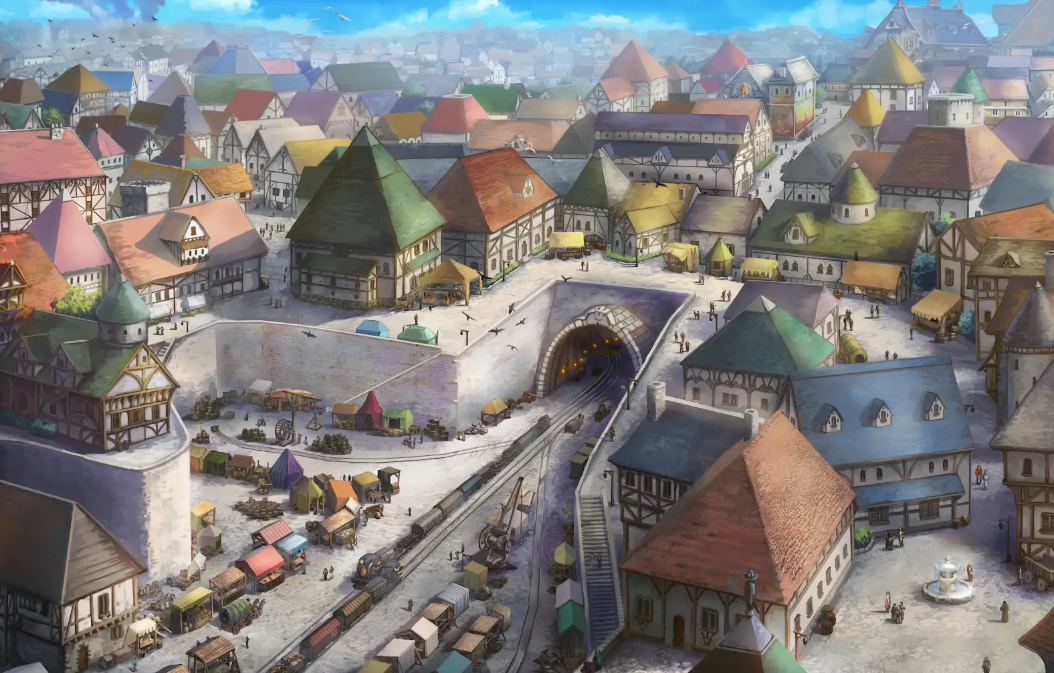
Gooey Cube's world of Zyathé is filled with cities, cultures, creatures, mysteries, factions, personalities, and stories waiting to be discovered. Adventures such as Darkenhaven and the Red Star Rising campaign give Game Masters a foundation for running sessions while leaving plenty of room for individual groups to shape the story.
Players can explore dangerous streets, investigate strange events, meet characters with their own motivations, uncover secrets, and make decisions that change how the adventure unfolds.
For GMs, that depth creates something especially valuable: possibilities.
A richly developed TTRPG campaign setting makes it easier to improvise because there is always another person, place, rumor, conflict, or detail you can pull into the game.






0 comments