

The Roll Should Feel Like Part of the Adventure
There’s a particular kind of tabletop stall that every group knows.
The rogue says, “I check the desk for hidden compartments.”
The GM says, “Roll Investigation.”
The rogue rolls.
Then everybody waits while the result gets translated, explained, second-guessed, compared to passive scores, argued over for ten seconds, and gently nudged back into the fiction like a shopping cart with one stuck wheel.
Nothing terrible happened. The game didn’t crash. But the scene lost a little heat.
That’s the heart of the problem. Adjudicating skill checks is not just about whether the number is high enough. It’s about whether the game keeps feeling alive while those numbers do their job. This article is about adjudicating skill checks in tabletop RPGs without slowing the game down.
When skill checks are smooth, players barely notice the machinery. They just feel the world responding. A lock proves stubborn. A crowd softens. A trail appears where there seemed to be none. The fighter shoves a stone door open with a groan of ancient hinges, and everybody’s right there in the moment with them.
When skill checks get clunky, though, the session starts to sound like an office printer. Roll. Pause. Clarify. Roll again. Debate. Check the sheet. Ask whether another skill would be better. Stop to figure out difficulty. Everybody politely forgets what the room smelled like.
So the goal isn’t to remove skill checks. Obviously not. Skills are a huge part of how players interact with the world. The goal is to adjudicate them in a way that keeps momentum, tone, and fiction moving together.
Different games handle skill checks differently, but the pacing problem is the same: the roll should move the scene, not pause it.
The First Question Is Not “What Do You Roll?”
A lot of play gets smoother the instant you stop leading with mechanics.
When a player says, “I use Perception,” that usually means one of two things. Either they’re trying to be efficient, or they’ve learned that the fastest way to get results is to speak the game’s rule language first. Fair enough. Most groups drift there sometimes.
But if you want skill adjudication to feel good, it helps to pull the action back into the world.
What are you actually doing?
That question fixes a lot.
“I use Persuasion” becomes “I remind the guard that if this shipment doesn’t move, his captain is going to hear about it from the merchants.”
“I use Survival” becomes “I’m looking for where the cart wheels left the road, not just footprints.”
“I use Arcana” becomes “Do these runes look like a warning, a seal, or somebody showing off?”
Now you’ve got something to work with. The player has given you intent and approach, not just a button press. That means you can judge whether a roll is needed, what kind of roll it should be, what success looks like, and what the consequences might be.
Skill checks work best when they’re tied to action in the fiction, not treated like vending machine options.
Not Every Skill Check Needs a Roll
This is one of the fastest ways to keep play moving.
If there’s no real uncertainty, no meaningful consequence, or no interesting pressure, you probably don’t need a roll. You just need an answer. Especially in investigation scenes, do not hide core progress behind one failed check. Let the roll change depth, speed, or cost.
If the ranger wants to identify obvious wolf tracks in fresh mud, and that’s squarely in their wheelhouse, just tell them. If the bard chats up a friendly innkeeper for basic gossip, let the conversation produce gossip. If the wizard has all the time in the world to examine a symbol they’d reasonably recognize, you don’t always need to toss the whole thing into the dice tumbler and make knowledge look like a coin flip.
Rolling is useful when the outcome matters, and either result will make the game more interesting.
That’s the real test.
A roll should introduce tension, cost, danger, opportunity, surprise, or a meaningful branch in the road. If it’s just there because “this seems like a skill thing,” the check may be doing more harm than good. Too many low-stakes checks make the world feel stingy. They also train players to ask less and risk less, because every ordinary action starts sounding like a trap with a difficulty class.
Sometimes the smoothest adjudication is a confident, immediate ruling inside the fiction.
“You can tell the hinges were recently oiled.”
“The speech works. The crowd is with you for now.”
“You don’t find traps, but you do notice the floor’s been swept strangely near the altar.”
That kind of answer keeps the game warm.
One Roll Should Carry Real Weight
Another common pace-killer is the dreaded pile-up.
A player wants to climb the wall. First, there’s an Athletics check. Then a Perception check for handholds. Then maybe an Acrobatics check near the top. Then somebody asks if they can assist. Then another player wants to make the same attempt but does it differently. Suddenly, the wall has become a small bureaucracy.
A better approach is usually to let one roll do a full job.
Not always, of course. Complex situations can deserve multiple steps. But in ordinary play, one good check should cover a meaningful chunk of action. If the rogue is sneaking through the manor, don’t make them roll for every hallway tile like they’re paying a tax. Let a solid Stealth roll carry them through a phase of the operation unless the situation changes dramatically.
Likewise, if a player is searching a study, one Investigation check can reveal the broad outcome of that effort. It can tell you whether they find the ledger, how long it takes, and what else they disturb along the way. The roll becomes part of the scene instead of a repeated interruption inside it.
Players love it when a single check actually means something. It makes the action feel bigger and more decisive.
Say What the Stakes Are Before the Dice Hit the Table
This one helps more than almost anything.
A lot of skill checks feel mushy because the players don’t know what success or failure really means. They roll, wait, and only then find out what game they were playing. That’s where frustration grows.
Try putting the stakes on the table first. Players should usually understand the kind of
risk they are taking, even if every consequence is not spelled out.
“You can try to pick the lock. If you fail, you’ll still get it eventually, but it’ll take long enough for the patrol to come around.”
“You can climb the tower in the storm, but on a bad roll, you’ll make it halfway and lose your lantern.”
“You can press the duke here, but if this goes badly, he’s done being polite.”
That tiny bit of framing does several useful things. It speeds up decisions. It makes failure feel fair. It lets players choose whether the risk is worth it. It also turns the roll into a moment of tension instead of a vague ritual.
Now everybody knows what they’re leaning toward.
And notice something important here: failure doesn’t always have to mean “nothing happens.” A lot of the best skill adjudication uses failure to introduce cost, complication, delay, exposure, or a harder choice. That keeps the story moving instead of slamming into a wall.
Failure Should Create Motion
Nothing kills a skill scene faster than dead-end failure.
The party needs a clue. They roll badly. No clue. Scene over. Everybody stares at each other like the campaign just misplaced its car keys.
That kind of stop sign is rough. It makes the dice feel like enemies of the session.
Often, a better move is to let failure change the terms rather than erase the path.
The rogue fails to pick the lock, so the door opens, but the pick snaps, and the noise draws attention.
The cleric fails to calm the mob, so the crowd doesn’t disperse, but one frightened local grabs their sleeve and offers a desperate lead.
The wizard fails to decipher the ritual notes, so they misunderstand a key element, which means the party goes in with incomplete information instead of no information.
Now the game has somewhere to go.
This matters especially for investigation, travel, social encounters, and other scenes where progress itself is often the point. If failure simply cancels progress, play starts to feel brittle. But if failure bends the route, the table stays engaged.
Players are usually fine with trouble. Trouble is fun. What they hate is futility.
Let Different Skills Open Different Doors
Sometimes tables get stuck in the idea that every problem has one correct skill attached to it, like the whole world was labeled by an especially rigid dungeon accountant.
But interesting adjudication often comes from letting players attack the same problem from different angles.
Want to get past the guard?
Persuasion might win him over.
Deception might invent a reason.
Intimidation might make him step aside.
Performance might create a public distraction.
History might let the character invoke the right noble family name.
Insight might reveal what the guard is actually worried about.
Social checks work best when they change what an NPC is willing to risk, admit, or delay, not who they are.
That flexibility makes the game feel richer. It also rewards players for thinking like characters instead of scanning their sheet for the biggest bonus and praying reality cooperates.
The trick is not to make every option equally easy. Different approaches should produce different risks and consequences. Intimidating the guard might work quickly, but create future resentment. Deception might be smooth now, but it may fall apart later. Persuasion might take longer, but hold up if people compare notes.
That’s wonderful stuff. It turns skill adjudication into story texture instead of a passcode system.
Keep the Ruling Short & the Description Alive
The longer you explain a skill ruling, the more likely the table is to feel the gears turning.
Try to keep the mechanical part crisp.
“Give me Athletics.”
“Make that with disadvantage because of the rain.”
“Use Insight, and on a good result, you will get a strong read on who seems
least sincere.”
Then, after the roll, spend your energy on the fiction.
“You get over the wall, but your boot slips on wet stone and you land harder than you meant to.”
“She smiles a fraction too late. She was ready for that lie.”
“You don’t just find tracks. You find where the wounded one broke from the group and started heading uphill alone.”
That’s what players remember. Not the phrasing of the ruling, but the feeling of the result.
If the mechanics are brief and the world stays vivid, the game keeps breathing.
Help the Table Avoid Skill Dogpiles
You know this scene. One player fails a check. Then, suddenly, everybody around the table decides they too would like to inspect the sigil, read the room, search the desk, or remember the ancient king’s surname.
Sometimes that makes sense. Often, it’s just the group trying to beat the probability piñata until candy falls out.
This can bog things down fast.
One clean way to handle it is to treat the first roll as the party’s main attempt in that moment, especially when time and circumstances are tight. If someone wants another try, ask what changed - more time, more risk, a new tool, or a different angle. Another option is to let additional attempts cost something: time, noise, exposure, resources, or changed positioning. That keeps follow-up tries from feeling free.
It also helps to ask, “Who’s taking point here?”
That question is great because it invites teamwork without opening a floodgate. One character leads, another assists if it makes sense, and the scene moves on. You still get cooperation, but without six consecutive Perception rolls turning a dusty library into a casino.
Skills Should Reward Character Identity
One of the joys of tabletop games is that characters are different on purpose.
The scholar should get moments where knowing weird old things matters. The streetwise rogue should spot trouble that other people miss. The druid should read forests differently from the armored knight. The bard should be allowed to weaponize charm in ways both helpful and mildly concerning.
Skill checks are one of the best places to make those identities sing.
That doesn’t mean only one character ever gets to contribute. It means the game should notice what each character is built to care about. Sometimes that means giving extra detail to the right person without a roll. Sometimes it means tailoring consequences so their expertise changes the shape of the scene. Sometimes it just means recognizing that a character with a strong concept deserves chances to use it.
When skill rulings honor character identity, players stop feeling like they’re feeding numbers into a slot machine. They feel like their specific weirdo adventurer is interacting with the world in a way nobody else quite could.
That’s gold.
The Best Skill Adjudication Barely Feels Like Administration
At its best, adjudicating skill doesn’t feel like stopping play to process paperwork. It feels like play.
The player says what they do. You understand the intent. You decide whether a roll matters. You frame the stakes. The dice hit the table. The world answers. Something changes.
That rhythm is fast, clean, and satisfying. It lets the mechanics support the fiction instead of interrupting it. It also makes players bolder, because they trust that trying something won’t automatically trigger a swamp of tiny rulings and repeated checks.
And really, that’s the whole mission here.
Keep the action rooted in the world.
Call for rolls when they matter.
Let one roll do real work.
Make failure interesting.
Describe results like the adventure never stopped for a second.
Do that, and skill checks starts to feel less like a speed bump and more like what it should’ve been all along.
A living part of the story.
Your Turn!
Log into your account to leave a comment below. How do you adjudicate skill checks while keeping play going?
More Than a TTRPG Adventure Book
A TTRPG adventure isn't only something you read before the session. It's something you use while five people are asking questions, someone is checking a spell description, and another player has just decided to investigate a completely unexpected alleyway.
Gooey Cube creates materials with the table in mind.
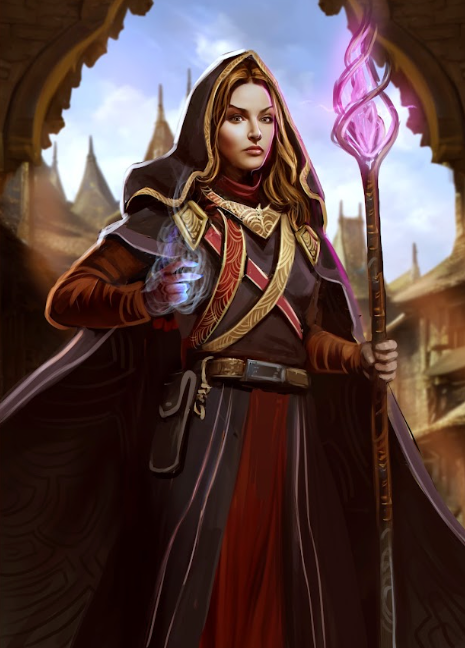
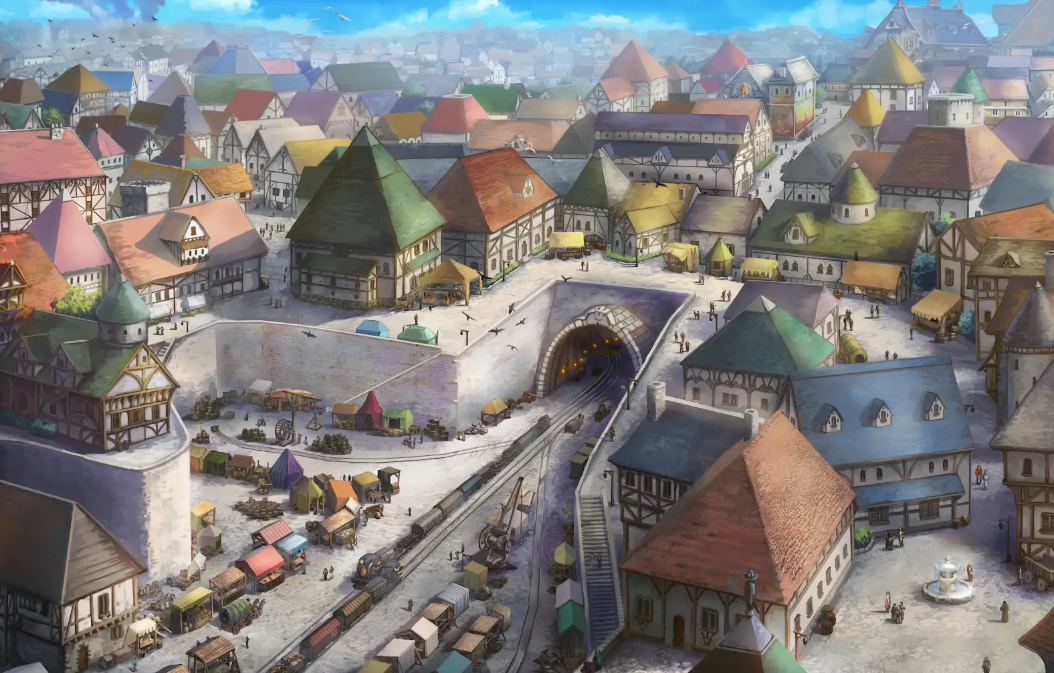
Depending on the adventure or campaign, GMs may have access to maps, NPC portraits, location artwork, handouts, encounters, character information, digital resources, and other tools that help communicate what's happening in the world.
These resources can help players picture the characters they're meeting and the places they're exploring without requiring the GM to prepare every visual aid independently.






0 comments