

Bringing a new player into a tabletop roleplaying game can be one of the best things that happens to a group, especially when that player arrives with absolutely zero knowledge of how any of this works.
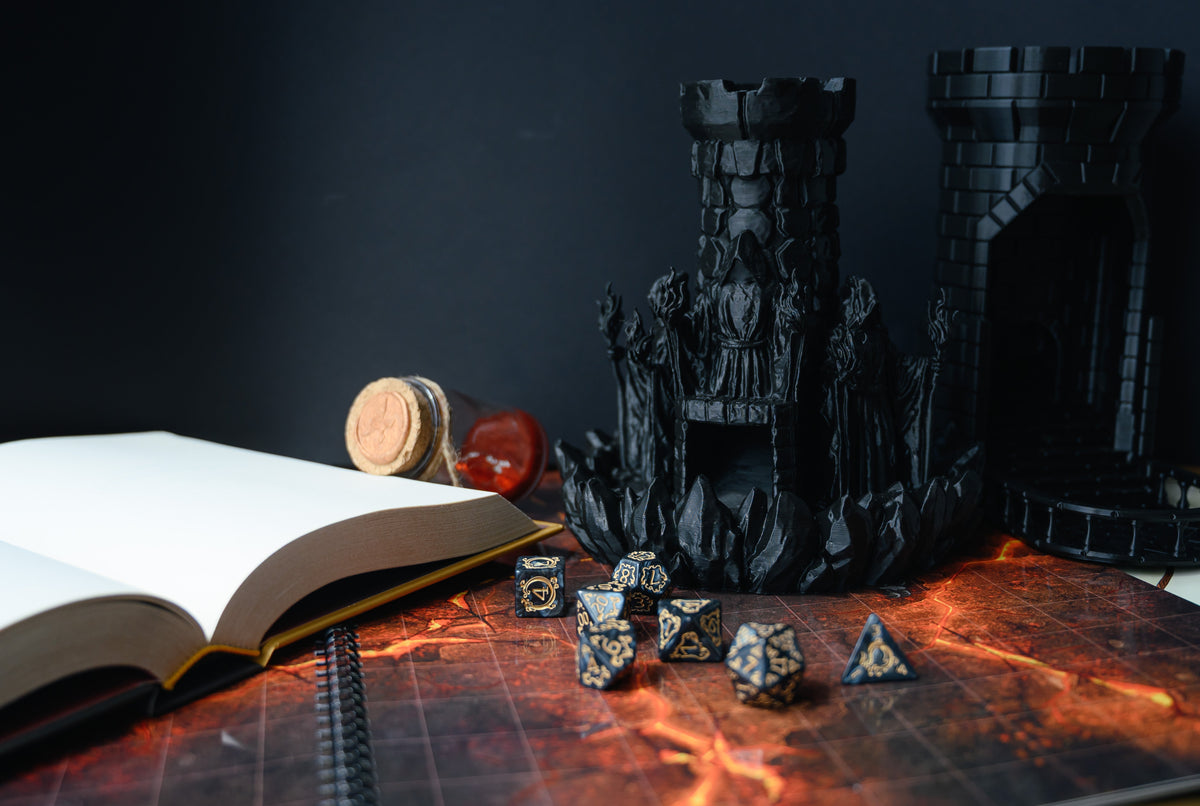
They don't know what a d20 is. They don't know why everyone keeps saying "initiative." They have no idea why the person behind the screen is called a Game Master, what a character sheet does, or why one grown adult at the table owns enough oddly shaped dice to fill a cereal bowl.
Good!
That player hasn't picked up a decade's worth of habits, assumptions, edition grudges, optimization arguments, or strong opinions about whether encumbrance should matter. They're arriving fresh, and if the table handles that arrival well, they get to discover the hobby in the best possible way: by actually playing it.
The mistake experienced gamers sometimes make is assuming a brand-new player needs to understand tabletop RPGs before they're allowed to enjoy them. They don't. They need enough information to make a few decisions, enough support to avoid feeling lost, and enough room to discover why millions of us think sitting around a table pretending to be wizards is a perfectly reasonable use of an evening.
The goal isn't to teach the entire hobby in one night. It's to make them want a second night.
Start With the Simplest Possible Explanation
If somebody has never played a tabletop RPG, don't begin by explaining classes, attributes, saving throws, action economies, campaign settings, or the history of roleplaying games.
Start with what they're actually going to do.
"You'll play one character in a story we're creating together. I'll describe what's happening, you'll tell me what your character tries to do, and sometimes we'll roll dice when we don't know how things turn out."
That's enough.
Seriously.
A new player doesn't need to understand the machinery before they understand the experience. If they ask more questions, answer them, but don't dump the entire rulebook onto them because you're worried they'll somehow fail tabletop gaming.
There isn't an entrance exam.
If they understand that they can describe what their character wants to do and the game will respond, they've already grasped the most important part.
Don't Make Character Creation Their First Boss Fight
Veteran players can spend hours happily arguing with themselves over feats, spells, backgrounds, subclasses, skill choices, equipment, and whether their concept would technically work better as a different build.
That's fun when you know what any of those words mean.
For a total beginner, character creation can feel like being handed a tax return from another dimension.
If your game has complicated character creation, help.
Ask questions in normal human language. What kind of character sounds fun? Do they want to fight up close, use magic, sneak around, heal people, talk their way out of trouble, or do a little bit of everything? Do they picture someone heroic, strange, funny, spooky, reckless, or calm?
Work from the fantasy toward the mechanics, not the other way around.
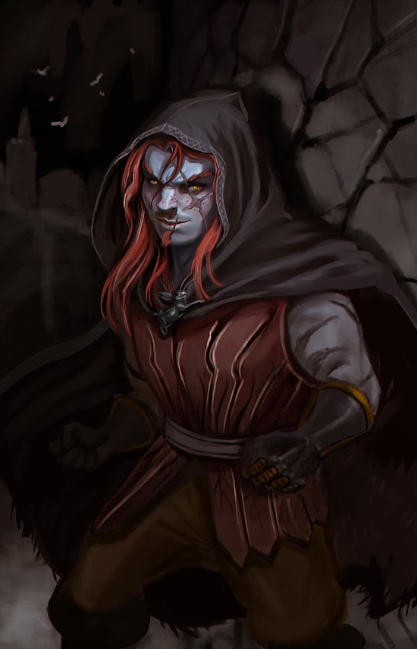
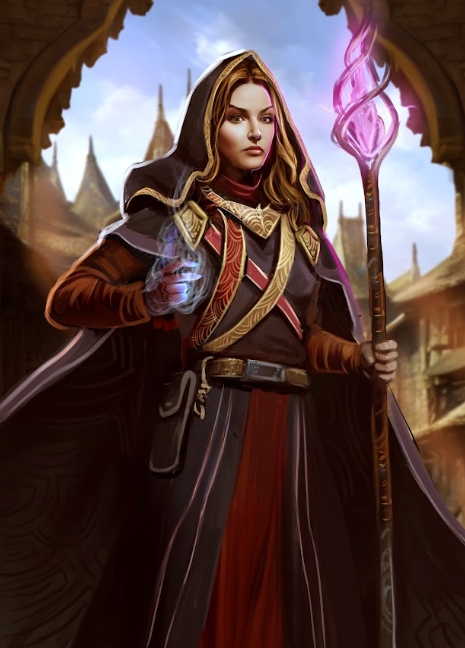
If someone says, "I want to play a big armored knight who protects everybody," you've got somewhere to start. You don't need to immediately explain every possible build path. Help them create the knight.
Pre-generated characters can also be great, particularly for a one-shot. Give the new player a few clear options described by what they actually do rather than by mechanical jargon. "This one's a tough warrior who's hard to kill" is much more useful than a paragraph about class features they haven't seen in play yet.
Explain Rules When They Become Relevant
One of the easiest ways to overwhelm a new player is explaining rules they won't need for another three hours.
There's no reason to teach falling damage while everyone is still sitting in a tavern.
Teach at the speed of play.
When the first ability check comes up, explain how it works. When combat begins, explain initiative. When their turn arrives, show them the basic options available. When they cast their first spell, walk them through what the spell does.
This approach gives every rule context, which makes it much easier to remember.
Instead of hearing, "Your armor class determines whether an attack roll hits you," in a ten-minute pregame lecture, they learn it when a goblin swings a rusty sword at their face.
Suddenly armor class becomes very interesting.
Keep explanations short enough that the game continues moving, and don't feel obligated to explain every exception. New players usually need the playable version of a rule, not the complete legal history of it.
Give Them Choices They Can Understand
"Okay, what do you do?"
That question is wonderfully open if you've been playing RPGs for years. If you've never played one, it can be terrifying.
What can I do?
Am I allowed to leave?
Can I talk to the monster?
Do I have to use something on my character sheet?
Will everyone think I'm stupid if I suggest climbing through the window?
New players don't know the invisible borders of the game yet, so give them a little structure without taking away their freedom.
"You could fight these guards, try talking your way past them, look for another entrance, or come up with something else."
Now the player has a starting point and still has permission to surprise you.
After a few scenes, they'll stop needing the examples because they'll understand something wonderful about tabletop games: the menu isn't closed.
They can try things.
Don't Play Their Character for Them
Experienced players often become extremely helpful when a beginner hesitates…sometimes too helpful.
The new player looks at their sheet for five seconds, and suddenly three veterans are explaining the mathematically optimal move.
"You should use this ability."
"No, attack that guy first."
"Move here so you get the bonus."
"Actually, if you combine these two features..."
Congratulations, everyone. The new player is now watching a committee play their character.
Advice is useful when it's wanted. Taking control isn't.
Give them room to make imperfect decisions. If they ask for help, give them a couple of understandable options and let them choose. Unless the player is about to misunderstand something basic about how the game works, you usually don't need to rescue them from a suboptimal choice.
Some of the most memorable tabletop moments come from choices no veteran player would've made because they were too busy thinking about efficiency.
Beginners haven't learned what they're "supposed" to do yet.
That's often fantastic.
Make Questions Feel Normal
A brand-new player will have questions.
Lots of them.
Some will seem incredibly basic to anyone who's been gaming for years.
Which die is that?
What's a modifier?
Can my character talk during combat?
How far can I move?
Can I try to scare the goblin instead of attacking it?
Good tables answer those questions without making the player feel like they're interrupting.
The fastest way to make someone self-conscious is reacting to basic questions with "You don't know that?" or launching into a five-minute lecture every time they ask one.
Give them the answer they need, then keep playing.
It's also worth admitting when experienced players don't know something. Veterans look things up constantly. GMs forget rules. Everybody has spent an embarrassing amount of time staring at a character sheet trying to remember where a particular number came from.
Let the new player see that.
They'll quickly understand that the game isn't about memorizing a textbook. It's about making decisions together.
Give Them an Early Chance to Matter
A new player should get a meaningful moment relatively early in the session.
Maybe their character notices something everyone else missed. Perhaps an NPC responds especially well to them. Maybe they land a great attack, solve a small problem, or suggest an idea that changes the group's plan.
The moment doesn't need to be forced, but creating opportunities helps.
That first little victory often changes everything.
Before it happens, the new player may still feel like they're watching experienced people perform a complicated ritual.
Afterward, they understand, "Oh, I can affect this."
That's when tabletop roleplaying starts clicking.
And don't limit "success" to dice rolls. If the beginner makes everybody laugh, comes up with a clever plan, asks a surprisingly insightful question, or instantly becomes attached to an NPC you invented twenty seconds ago, they're already participating successfully.
Don't Demand a Performance
Some people hear "roleplaying game" and assume they're expected to become an actor.
They may worry they need a voice, an accent, dramatic speeches, or the ability to improvise dialogue instantly.
Tell them they don't.
They can speak in character if they want. They can also describe what their character says.
"I tell the guard we're traveling merchants and try to sound convincing" is roleplaying.
So is giving a five-minute speech in a flawless dwarven accent.
Neither one is more legitimate.
New players often become more comfortable with in-character dialogue naturally once they've spent time with their characters. Don't drag them there before they're ready.
Nothing kills enthusiasm faster than feeling like everybody is waiting for you to perform.
Ask the Rest of the Table to Help
Onboarding a new player shouldn't fall entirely on the GM.
Experienced players can make a huge difference by being patient, explaining things without showing off, and deliberately including the newcomer in decisions.
The best veteran players are wonderful at this.
"What does your character think?"
"Want to come with me to talk to the merchant?"
"You've got the best chance of spotting tracks. Want to check?"
Those little invitations tell the new player that they're part of the group, not a guest sitting on the edge of somebody else's campaign.
Veterans can also model good play without announcing that they're modeling it. They show how to ask the GM questions, interact with NPCs, describe actions, and celebrate other people's successes.
That's much easier to absorb than a lecture about "proper tabletop etiquette."
Joining an Existing Campaign Takes Extra Work
Bringing someone with zero tabletop experience into an established campaign adds another layer.
Now they aren't just learning how RPGs work. They're entering a story with history.
Keep the campaign summary short.
Don’t begin with, "Okay, so seventeen sessions ago..."
Give them what their character needs to know.
Who are the party members?
What are they currently trying to accomplish?
Who is the obvious enemy?
What two or three setting facts matter right now?
Anything else can come naturally during play.
It also helps to give the new character a strong reason to join the existing party. They might share an enemy, possess useful information, owe one of the characters a favor, or simply be caught in the same disaster.
Don't make the beginner spend an hour proving why they deserve membership while everyone else roleplays suspicion.
Get them into the party and start playing.
You can develop trust afterward.
Check In After the Game
Once the session ends, ask how it went.
Keep it casual.
"What did you like?"
"Was anything confusing?"
"Anything you want more of next time?"
You might discover that combat felt overwhelming but roleplaying was fantastic, or that they loved rolling dice but still don't understand half the numbers on their sheet.
Great.
Now you know what to help with next time.
More importantly, asking shows that their experience matters.
The First Session Isn't About Mastery
A new player doesn't need to leave their first session understanding every rule.
They don't need to know their character sheet by heart. They don't need to understand tactical positioning, campaign lore, or why everyone at the table suddenly becomes very serious when somebody rolls a natural 1.
They need to leave thinking, "That was fun."
Everything else comes later.
The rules will become familiar. The terminology will stop sounding strange. They'll develop opinions about character builds, game systems, and eventually which dice are obviously lucky even though everyone knows that's nonsense.
Probably.
What they'll remember from their first game isn't whether somebody explained proficiency bonuses perfectly. They'll remember whether the table made room for them, whether their ideas mattered, and whether they felt comfortable enough to try something ridiculous.
Get those things right, and the player who arrived knowing absolutely nothing about tabletop roleplaying may eventually become the one introducing somebody else to the hobby.
And when that happens, hopefully they'll remember the most important lesson of all.
Don't start with the rulebook.
Start with, "What do you want to do?"
Your Turn!
How do you introduce new players to the TTRPG fold? Let us know in the comments!
Find Your Next TTRPG Campaign
Whether you're searching for a new TTRPG adventure, a detailed fantasy campaign setting, useful GM tools, or simply more inspiration for your next session, Gooey Cube gives you worlds packed with stories to uncover.
Explore immersive TTRPG campaigns, meet unforgettable characters, discover strange new places, and give your players another reason to ask the question every Game Master loves to hear:
"When are we playing again?"







0 comments